"Vibrant DIY: Dye Clothes with Food Coloring"
Have you ever wondered if you can dye clothes with food coloring? This natural, non-toxic, and budget-friendly method can indeed transform your old or white clothes into vibrant, colorful pieces. In this guide, we'll explore the process, its pros and cons, and provide a simple step-by-step recipe to help you create stunning, food-colored garments at home.
Understanding Food Coloring and Fabric Dyeing
Food coloring is a safe, water-soluble dye used to enhance the color of food and beverages. It's also a popular alternative to chemical fabric dyes, as it's non-toxic and easy to find. However, it's essential to understand that food coloring is not a traditional fabric dye. It doesn't bond with fibers like commercial dyes, which means the color may fade faster with washing and exposure to sunlight.
Despite this, food coloring can create beautiful, temporary colors on natural fabrics like cotton, linen, and silk. It's an excellent option for upcycling old clothes, adding color to white clothes, or creating unique, one-of-a-kind pieces.


Pros and Cons of Dyeing Clothes with Food Coloring
- Pros:
- Non-toxic and safe for the skin
- Easy to find and affordable
- Allows for creative color experimentation
- Ideal for upcycling and adding color to white clothes
- Cons:
- Colors may fade quickly with washing and sunlight exposure
- Not suitable for synthetic fabrics
- May not achieve deep, vibrant colors
Choosing the Right Fabrics and Food Coloring
Food coloring works best on natural fabrics like cotton, linen, silk, and wool. Synthetic fabrics like polyester, nylon, and acrylic won't absorb the dye. As for food coloring, liquid food coloring is more concentrated and provides better results than gel or powder forms.
Step-by-Step: Dyeing Clothes with Food Coloring
| Ingredients | Quantity |
|---|---|
| White or light-colored fabric | 100% natural fiber |
| Food coloring | 1-2 tablespoons per 2 cups of water |
| Water | 4-6 cups |
| White vinegar | 1/2 cup |
- Prepare your fabric by washing it in hot water to remove any finishes or residue. Rinse and wring out excess water.
- In a large pot, combine water, food coloring, and vinegar. Stir well until the food coloring is fully dissolved.
- Add your prepared fabric to the pot, making sure it's completely submerged in the dye bath.
- Heat the pot over medium heat, stirring occasionally, until the water begins to simmer.
- Reduce heat to low and let the fabric soak in the dye bath for 30-60 minutes, stirring occasionally. The longer it soaks, the darker the color will become.
- Remove the pot from heat and let the fabric cool in the dye bath for an additional 30 minutes.
- Wearing gloves, carefully remove the fabric from the dye bath and rinse it under cold water until the water runs clear.
- Wash the fabric in cold water with a mild detergent, then hang it to dry.
Congratulations! You've successfully dyed your clothes with food coloring. Keep in mind that the colors may fade over time, so wash your dyed clothes in cold water with like colors to help maintain the vibrancy.

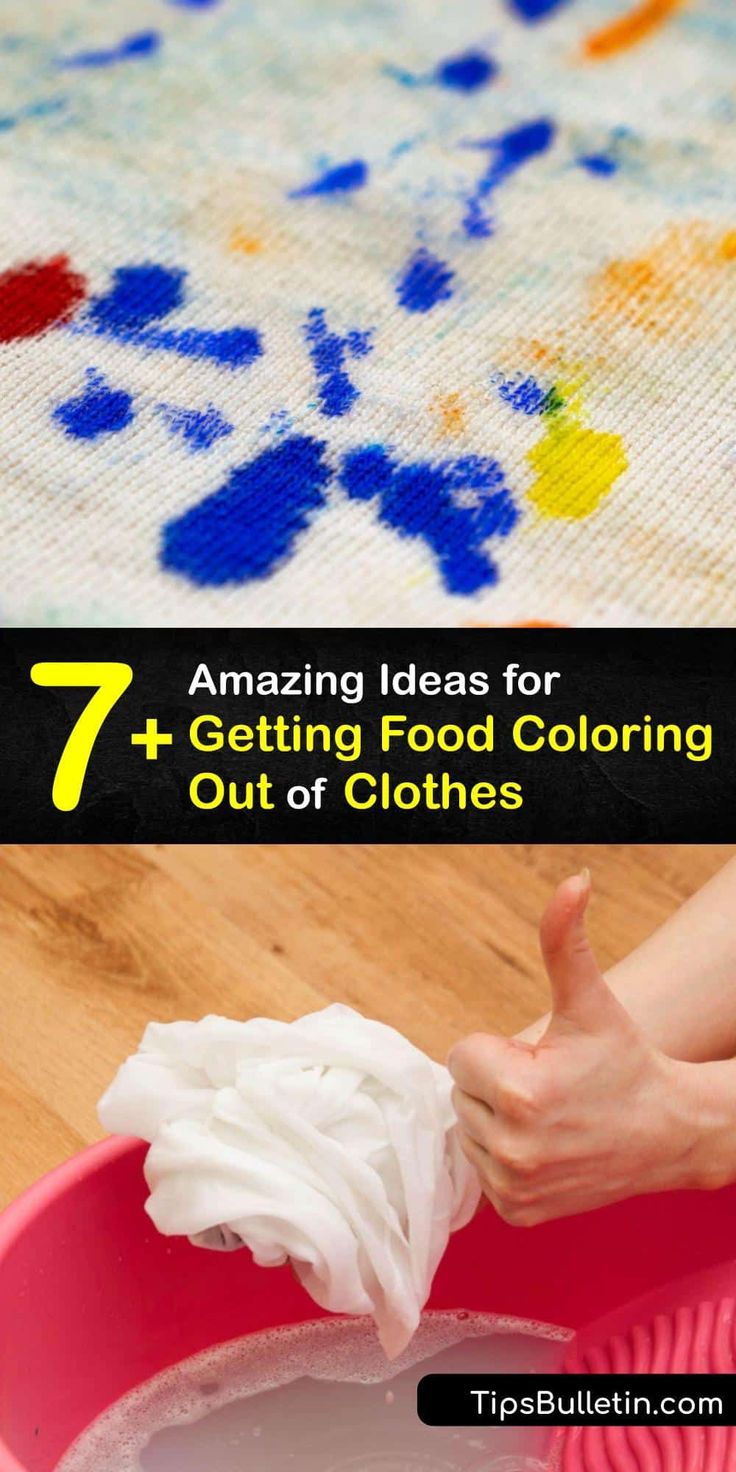

Dyeing clothes with food coloring is a fun, creative, and eco-friendly way to add color and life to your wardrobe. So go ahead, experiment with different colors and shades, and enjoy the process of transforming your old clothes into something new and unique.


Related Articles

"Vibrant Carnations: Can You Dye Them with Food Coloring?"
Ever wondered if you can add a pop of color to your carnations without using harmful chemicals? The answer is yes, you can dye carnations with food coloring!...

"Vibrant Science: Flower Power with Food Coloring Projects"
Exploring Colorful Science: A Fun Project with Flowers and Food Coloring Are you looking for an engaging and visually appealing science project that combines...

"Vinegar-Free: How to Dye Clothes with Food Coloring"
Looking to add a pop of color to your wardrobe without breaking the bank? You might be surprised to learn that you can dye clothes using a simple and...

"Colorful Science: Dish Soap & Food Coloring Experiment"
Exploring Surface Tension: A Fun and Educational Dish Soap and Food Coloring Experiment Are you looking for a simple yet engaging science experiment that...

"Candy Apples: The Perfect Recipe with Red Food Coloring"
Unveiling the Vibrant Hue: Red Food Coloring for Candy Apples Candy apples, a classic treat that has captivated generations with its shiny, jewel-toned...

"Vibrant Food Coloring in the UK: Unleash Your Culinary Creativity"
Unveiling the Vibrant World of Food Coloring in the UK The United Kingdom's culinary scene is a vibrant tapestry of flavours, textures, and, increasingly...