"Master Cat Colors: A Vibrant Guide for Artists"
Embarking on a creative journey to draw cats? You're in for a delightful experience, as felines come in a fascinating array of colors. Understanding these colors can help you capture their essence on paper. Let's dive into the captivating world of cat colors, providing you with a comprehensive guide to inspire your drawings.
Understanding Cat Colors: A Brief Overview
Cats exhibit a wide spectrum of colors due to a combination of genes that control their coat patterns and hues. The most common colors are black, white, gray, brown, and various shades of red. However, the genetic lottery results in a myriad of colors and patterns, making each cat unique.
Basic Cat Colors: The Building Blocks
Before delving into the more complex colors and patterns, let's explore the basic cat colors that form the foundation of their coat hues.


- Black: A true black cat has a coat that absorbs all light wavelengths, appearing as a deep, dark black.
- White: White cats lack the pigment melanin, making their fur reflect all light wavelengths, appearing white.
- Gray: Gray cats have a mix of black and white hairs, resulting in various shades of gray, from light to dark.
- Brown: Brown cats have a warm, earthy hue due to the presence of the pigment eumelanin in their coat.
- Red: Red cats, including orange, ginger, and cream, have a dilution gene that lightens the brown pigment, resulting in their distinctive hue.
Advanced Cat Colors: Dilutions and Patterns
Now that we've covered the basics, let's explore how dilutions and patterns create the more intricate cat colors.
Dilutions
Dilutions are genes that lighten the base color of a cat's coat. The most common dilutions are:


- Cream: A dilution of red, cream cats have a very light, almost white, hue.
- Blue: A dilution of black, blue cats have a grayish-blue coat due to a lack of pigment in their hair shafts.
- Chocolate: A dilution of brown, chocolate cats have a deep, rich brown coat.
- Lilac: A dilution of chocolate, lilac cats have a light, lavender-gray hue.
Patterns
Patterns are created by the interaction of different genes, resulting in unique coat designs. Some common patterns include:
- Tabby: Tabby cats have distinctive stripes, whorls, or spots on a background color, often with a 'M' or bullseye mark on their forehead.
- Calico: Calico cats have a tri-color coat, typically a combination of white, black, and orange or red.
- Tortoiseshell: Tortoiseshell cats have a bi-color coat, usually a mix of black and red or brown and red.
- Bicolor: Bicolor cats have two distinct colors, often with one color being white.
Cat Colors in Art: Tips for Drawing
When drawing cats, consider the following tips to capture their unique colors accurately:
- Observe the cat's coat closely, noting the variations in color and pattern.
- Use a lightbox or grid to transfer your observations onto paper, ensuring accuracy.
- Start with a basic sketch, then build up layers of color using appropriate materials, such as pencils, pastels, or paints.
- Experiment with different shading techniques to create depth and dimension.
- Consider the cat's environment and lighting, as these factors can significantly impact its appearance.
Drawing cats is a rewarding experience that allows you to appreciate their beauty and diversity. By understanding and capturing their captivating colors, you'll create stunning artwork that celebrates these fascinating felines. Happy drawing!


Related Articles
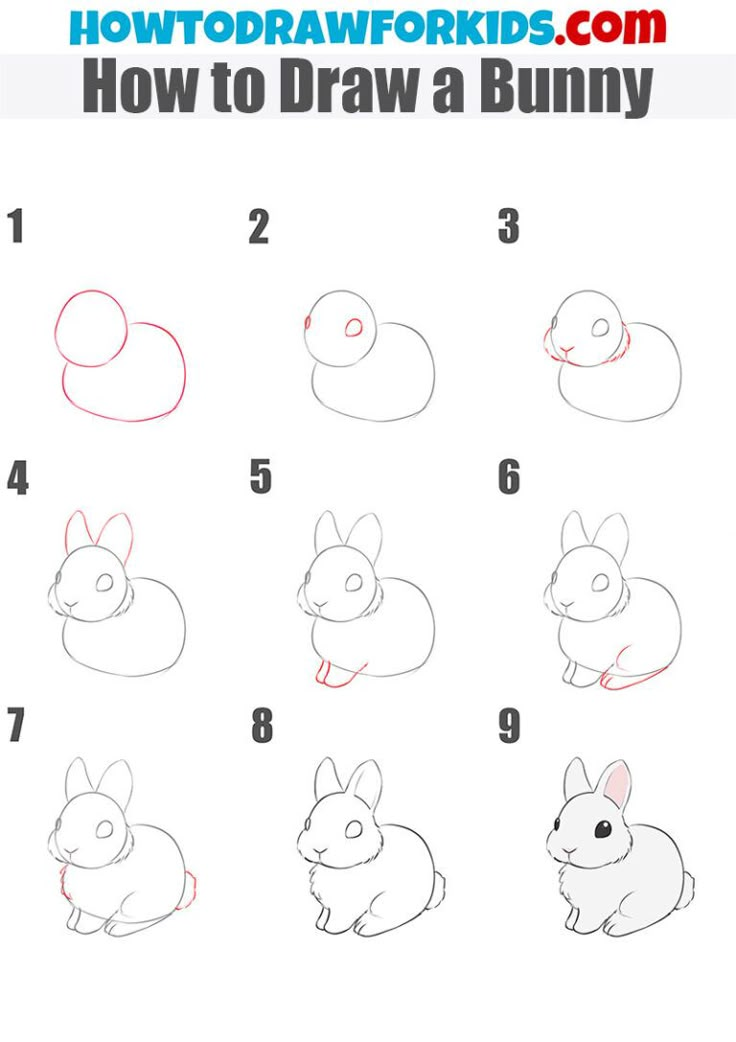
"Master Bunny Drawing: Step-by-Step Guide for Artists"
Master the Art of Bunny Drawing: A Step-by-Step Guide Embark on a delightful journey into the world of drawing with our comprehensive, step-by-step guide to...

"Master Bird Drawing: Expert Reference Guide for Artists"
Mastering Bird Drawing: A Comprehensive Guide with Reference Embarking on a journey to capture the essence of our feathered friends in your artwork? You're in...

"Vibrant Kindergarten Colors: A Basic Guide for Early Learning"
In the vibrant world of kindergarten, colors play an integral role in shaping young minds and fostering creativity. Understanding the basics of colors is not...

"Master Face Drawing: Step-by-Step Grid Worksheets for Artists"
Discover the fun and educational world of grid drawing face worksheets! These interactive activities are not only engaging but also help children develop...

"Unveiling the Vibrant Colors of Huskies: A Comprehensive Guide"
Exploring the Vibrant World of Husky Coat Colors The Siberian Husky, a captivating breed known for its striking eyes and friendly demeanor, also stands out for...

"Vibrant Kirby Nintendo Colors: A Comprehensive Guide"
Kirby's Colorful Evolution in the Nintendo Universe In the vibrant world of Nintendo, few characters have embraced the power of color as enthusiastically as...