El Monstruo de los Colores: Aprende los Colores en Español – Libro Infantil Divertido y Educativo para Niños
Understanding the "color monster book in Spanish" opens a vibrant door to early childhood emotional literacy. This specific resource, often titled "El monstruo de los colores," has become a cornerstone for parents and educators seeking to teach young learners how to identify and articulate complex feelings. By associating distinct emotions with bold, primary and secondary colors, the book provides a tangible framework for children to navigate their inner world. The simple narrative and repetitive structure make it exceptionally effective for Spanish language acquisition, turning abstract emotional concepts into something visible and relatable.
The core premise of this beloved children’s story is deceptively simple: a monster feels mixed up because his emotions are tangled. Instead of being happy, sad, calm, angry, scared, or loving, he experiences a chaotic blend all at once. The genius of the "color monster book in Spanish" lies in its visual representation of these feelings. Each emotion is assigned a specific color—yellow for happiness, blue for sadness, red for anger, and so on—allowing the monster to sort his feelings and regain his composure. This process not only validates the child’s own fluctuating moods but also provides practical vocabulary to describe them.
Why Emotional Literacy is the Foundation of Learning
Before a child can grasp advanced mathematical concepts or decode complex texts, they must first understand themselves. The "color monster book in Spanish" serves as an essential tool in building this foundational emotional intelligence. By linking colors to feelings, the narrative helps children move beyond basic terms like "good" or "bad" to describe their internal states with precision. This ability to self-identify and communicate emotions is critical for developing resilience, empathy, and effective conflict resolution skills.


Visual Learning and Language Acquisition
For Spanish language learners, particularly visual learners, this book is an invaluable asset. The strong correlation between color and emotion creates a dual-learning experience. Children are not just translating words; they are absorbing the structure and rhythm of the Spanish language through a context that is intuitive and memorable. The vivid illustrations provide immediate cues, reducing the reliance on direct translation and fostering a more natural understanding of the language. The repetitive phrases found in the text reinforce vocabulary retention, making new words stick long after the story is closed.
Practical Applications for Home and Classroom
Beyond the bedtime story routine, the "color monster book in Spanish" offers endless practical applications for educators and caregivers. Teachers can use the color-coded emotions as a daily check-in tool, asking students to identify which color represents their current mood. This practice normalizes the discussion of feelings and creates a supportive classroom environment where emotional expression is encouraged. At home, parents can extend the lessons by incorporating the color vocabulary into everyday activities, asking questions like, "¿Cómo te sientes? ¿Eres rojo como la ira o azul como la tristeza?"


- Emotional Check-Ins: Use the monster’s color system to discuss feelings before or after school.
- Art Integration: Have children draw or paint their own monsters using the specific colors associated with their current mood.
- Story Extension: Ask children to create their own stories about what might make the monster feel a specific color.
- Vocabulary Building: Focus on key Spanish adjectives to describe temperament, such as tranquilo (calm), alegre (happy), or nervioso (anxious).
The Lasting Impact of a Simple Story
The enduring popularity of the "color monster book in Spanish" is a testament to its timeless design. It addresses a universal human need—the need to be understood—through a lens that is accessible to the youngest of audiences. By demystifying the complexities of the human heart, it empowers children to take control of their emotional landscapes. The act of sorting colors becomes a metaphor for sorting life’s challenges, providing children with an early toolkit for mental well-being and self-awareness that will serve them for years to come.


Related Articles

El Monstruo de los Colores: Un Viaje Emocional - Libro en Español
Exploring the emotional landscape of childhood is often the central mission behind the color monster book in spanish, a story that has resonated deeply with...

Aprende el Alfabeto con Tracing en Español – Guía Interactiva para Niños
Mastering the Spanish alphabet is the essential first step for anyone embarking on the journey of Spanish literacy. Before learners can form words or construct...
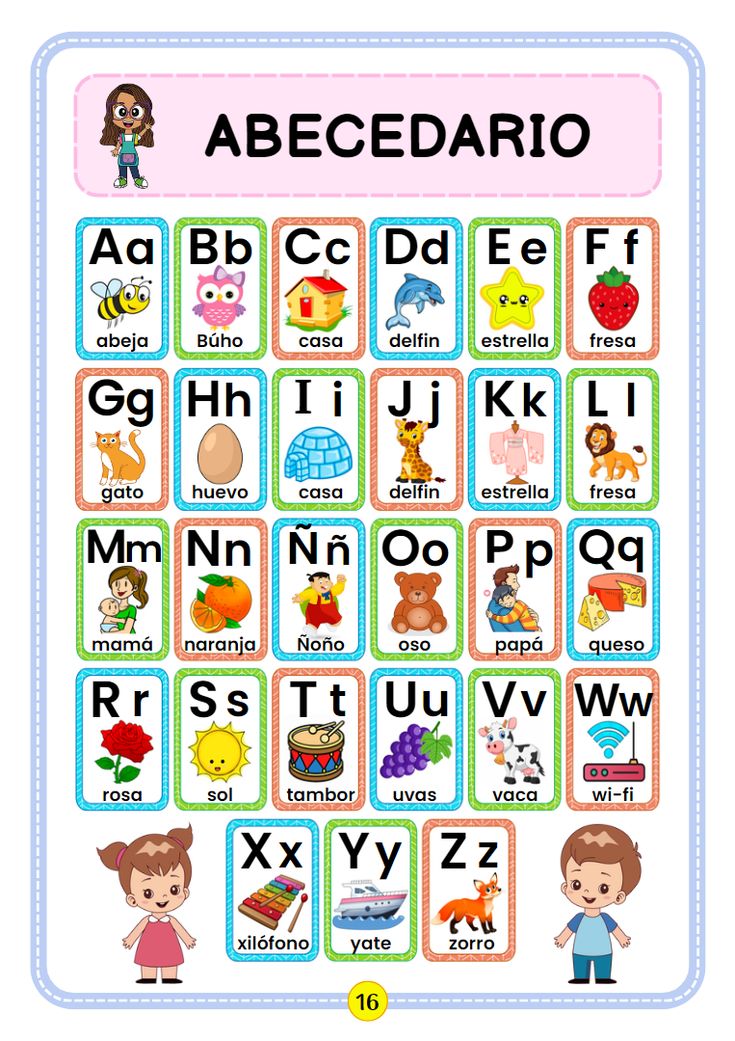
Aprende el Alfabeto ABC en Español: Impresiones y Actividades para Niños
Mastering the Spanish alphabet is often the foundational step for anyone embarking on the journey of learning this beautiful language, and having the right...

Aprende ABC en Español: Worksheet Gratis para Niños
Mastering the Spanish alphabet is the essential first step for anyone beginning their journey to fluency, and an abc in spanish worksheet serves as the most...

Todos los Colores de la Oscuridad: Libro en Español
Exploring the depth and nuance of color is a journey, and for those learning español, describing the essence of darkness beyond just "negro" opens a world of...

El Libro del Arcoíris: Un Viaje Mágico por los Colores del Arcoíris en Español
For Spanish-speaking families and educators seeking high-quality children's literature, finding a "rainbow fish book in Spanish" can be a rewarding search. The...