Enchanting Coloring Jellyfish: A Vibrant Undersea Art Adventure
The concept of coloring a jellyfish unlocks a world where biology, art, and imagination converge. Often viewed through the lens of biology textbooks as ethereal drifters of the ocean, these creatures transform into vibrant canvases when we explore the act of coloring them. This process is more than a simple pastime; it is a method of deconstructing complexity into beauty, allowing us to connect with a species that is simultaneously alien and familiar. By assigning color to their translucent bodies, we bridge the gap between the scientific reality and the artistic interpretation of one of nature's most graceful forms.
Unlike mammals or birds, jellyfish do not possess a standard pigment-based coloring. Their bodies are composed of 95% water, making them largely transparent. This biological reality is precisely why the act of coloring them becomes so fascinating. When an artist picks up a pencil or a child grabs a crayon, they are forced to interpret the invisible. They must decide what a medusa looks like when it pulses, or what the delicate strands of a sea nettle signify in stillness. The lack of inherent color provides a unique creative freedom, turning the jellyfish into a pure vessel for expression, where the artist dictates the rules of the deep.
The Artistic Interpretation of Gelatinous Forms
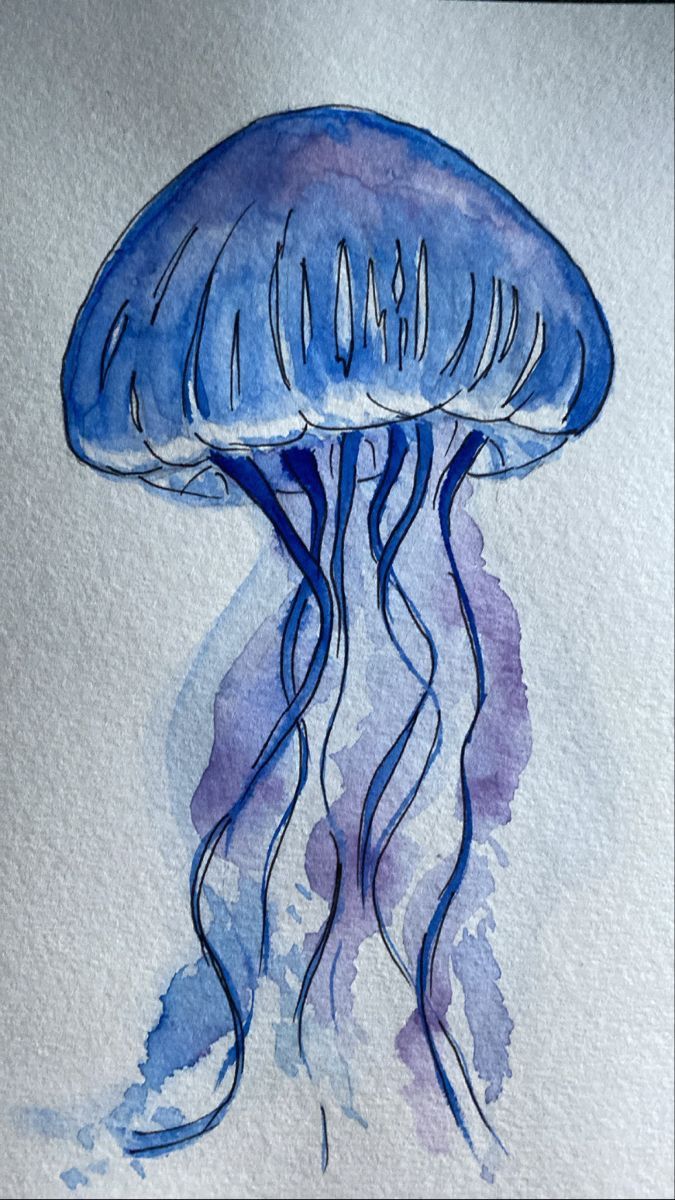
Coloring a jellyfish requires a specific mindset. Because the creature is see-through, artists cannot rely on flat, solid blocks of color. Instead, they must think in layers and gradients. The best interpretations often utilize translucent markers, watercolor washes, or colored pencils to build depth. This technique mimics the way light behaves when it passes through a real jellyfish, creating a visual effect that is both realistic and magical. The goal is to capture the volume and flow of the bell, suggesting the gentle resistance of water against the delicate rim, or the soft gathering of tentacles as they drift downward.


Color Theory of the Deep
When diving into the palette for these marine creatures, there are no strict limitations, but there are effective guidelines. Real jellyfish often display colors derived from their diet and environment, ranging from the softest pastels to the most shocking neons. Irukandji jellyfish are notoriously transparent, while the Mauve Stinger carries a distinct violet hue. When coloring, one might choose a cool palette of blues and greens to represent the cold depths of the pelagic zone, or a warm spectrum of oranges and reds to mimic the bioluminescent glow found in the abyss. The choice of palette directly influences the mood of the final piece, turning a simple illustration into a scene from a fever dream or a serene lagoon.
Educational and Therapeutic Applications
The utility of coloring jellyfish extends far beyond entertainment. In educational settings, these coloring pages serve as a vital bridge between complex zoology and student engagement. A child tasked with labeling the parts of a jellyfish— the bell, the oral arms, the marginal lappets— will retain the information far better if they have first spent time interacting with the anatomy visually. Coloring transforms a static diagram into an interactive lesson, fostering a deeper connection to the material. It allows the intricate anatomy of the Cnidarian to be understood through a tactile and visual lens.


On the therapeutic front, the act of focusing on the flowing lines of a jellyfish outline is a form of active meditation. The repetitive motion of filling in the undulating edges of the bell can quiet a racing mind. It encourages a state of flow where the stress of the external world fades away, replaced by the simple satisfaction of creating order. The jellyfish, with its gentle curves and rhythmic symmetry, becomes the perfect subject for mindfulness, helping to reduce anxiety and promote a sense of calm similar to the rhythm of the ocean tides.
Iconography and Symbolism
Beyond biology and art, the jellyfish carries a heavy weight of symbolism, making the act of coloring it a deeply personal journey. Often representing adaptability, resilience, and a connection to the subconscious, these creatures embody the ebb and flow of life. Their sting serves as a reminder of hidden dangers, while their delicate beauty speaks of vulnerability. When a person colors a jellyfish, they might be inadvertently working through their own complexities— the parts of themselves that are transparent to the world, or the hidden stings they keep close to their hearts. The finished artwork is therefore a reflection of the artist's inner world, captured in the graceful drift of a gelatinous form.
Whether you are a biology teacher looking for an engaging classroom activity, an artist seeking inspiration in the fluidity of nature, or someone simply looking for a calming escape, the world of the jellyfish awaits your color. It offers a unique space where science dissolves into art, and the pressure of the deep sea translates into the lightness of the page. By picking up your tools, you are not just filling in lines; you are giving life to a silent dancer of the ocean, one hue at a time.


Related Articles

"Vibrant Jellyfish Coloring Pages: Free Printables for Kids & Adults"
Coloring Jellyfish: A Mesmerizing Hobby Immerse yourself in the captivating world of coloring jellyfish, a unique and therapeutic hobby that combines the...
"Vibrant Jellyfish Coloring Pages: Free Printables for Kids & Adults"
Unveiling the Vibrant World of Coloring Jellyfish Dive into the mesmerizing realm of marine biology and unleash your creativity with the captivating art of...

Enchanting Mermaid Coloring Pages Printable: A Magical Undersea Adventure
Dive into the enchanting world of the deep sea with beautiful mermaid coloring pages printable, a perfect blend of artistry and imagination for artists of all...

"Enchanting Unicorn Coloring Book: Vibrant Colors, Magical Creatures"
Immerse yourself in a world of whimsy and creativity with a colouring unicorn book . These enchanting activity books are not just for children; they offer a...

"Free Jellyfish Coloring Pages: Vibrant Colors & Ocean Fun"
Discover the Mesmerizing World of Jellyfish with Free Coloring Pages Embark on an underwater adventure with our collection of free jellyfish coloring pages...

"Vibrant Jellyfish Coloring: A Step-by-Step Guide"
Coloring a Jellyfish: A Vibrant Underwater Art Project Embarking on a creative journey to color a jellyfish can be an enchanting and educational experience...