"Crown of Thorns Plant Care: Solving Common Problems"
Understanding and Addressing Crown of Thorns Plant Problems
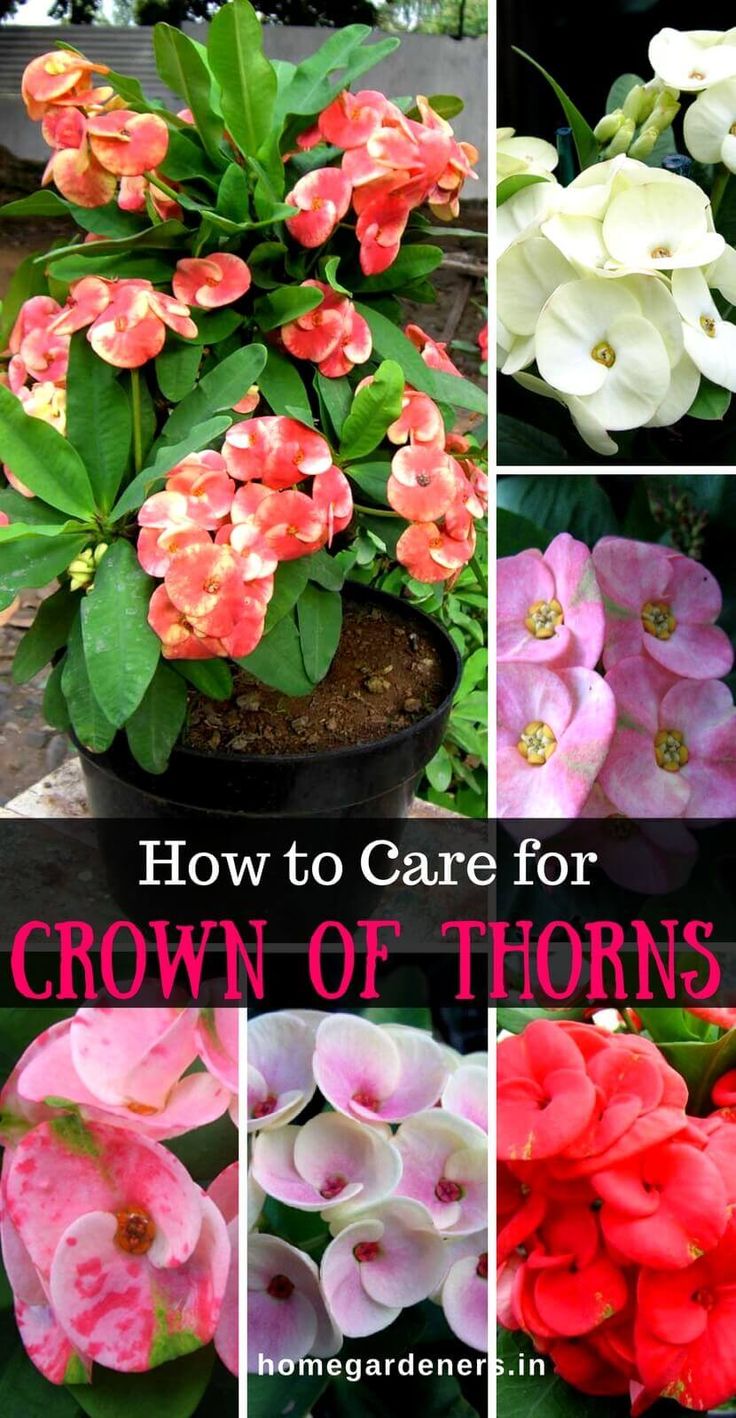
The Crown of Thorns plant (Euphorbia milii) is a popular houseplant known for its vibrant, showy flowers and unique, spiky appearance. However, like any other plant, it can face various issues that may hinder its growth or overall health. This article will delve into common Crown of Thorns plant problems, their causes, and effective solutions.
Overwatering: The Bane of Many Crown of Thorns Plants
Overwatering is one of the most common issues faced by Crown of Thorns plants. This can lead to root rot, yellowing leaves, and even plant death. To avoid this, ensure you're watering your plant only when the top 1-2 inches of soil are dry. Always use well-draining soil and pots with drainage holes to prevent waterlogging.
Symptoms and Solutions
- Symptom: Yellowing leaves and wilting despite regular watering.
- Solution: Reduce watering frequency and ensure proper drainage.
Insufficient Light: A Silent Killer
Crown of Thorns plants thrive in bright, indirect light. Insufficient light can cause slow growth, poor flowering, and even leaf drop. Place your plant near an east- or west-facing window, or a few feet back from a south-facing window. If you're growing it indoors under artificial light, ensure it receives at least 14 hours of light daily.


Symptoms and Solutions
- Symptom: Slow growth, poor flowering, and leaf drop.
- Solution: Move the plant to a brighter location or supplement with artificial light.
Temperature and Humidity Fluctuations
Crown of Thorns plants prefer consistent temperatures between 65-75°F (18-24°C) during the day and a slight drop at night. They also thrive in high humidity environments. Fluctuations in temperature and humidity can cause stress, leading to leaf drop and poor growth. Maintain consistent conditions and consider using a humidifier if your home is dry.
Symptoms and Solutions
- Symptom: Leaf drop, especially from the tips, and poor growth.
- Solution: Maintain consistent temperatures and humidity levels.
Pests: Unseen but Not Unheard Of
While not as common as in some other plants, pests like spider mites, mealybugs, and scale insects can infest your Crown of Thorns plant. Regularly inspect your plant for signs of pests and treat any infestations promptly with insecticidal soap or neem oil.


Symptoms and Solutions
- Symptom: Webbing, small dots, or a sticky residue on leaves.
- Solution: Isolate the plant, remove affected leaves, and treat with insecticidal soap or neem oil.
Nutrient Deficiency: A Slow but Steady Decline
Crown of Thorns plants require well-balanced nutrients for optimal growth. A deficiency in nutrients can lead to slow growth, poor flowering, and yellowing leaves. Feed your plant with a balanced, water-soluble houseplant fertilizer every 4-6 weeks during the growing season.
Symptoms and Solutions
| Deficiency | Symptoms | Solution |
|---|---|---|
| Nitrogen | Yellowing leaves, slow growth | Feed with a balanced fertilizer |
| Potassium | Wilting, poor flowering | Use a fertilizer with added potassium |
In conclusion, while Crown of Thorns plants are generally hardy, they can face several issues that may impact their health. By understanding and addressing these problems promptly, you can ensure your plant remains a vibrant, thriving addition to your home or office.


Related Articles

"Zebra Plant Care: Common Issues & Solutions"
Understanding and Addressing Zebra Plant Issues Zebra plants, scientifically known as Haworthia attenuata, are charming succulents that add a unique touch to...

Do Golden Retrievers Have Eye Issues? Common Vision Problems & Care Tips
Golden retrievers are celebrated for their lush coats and gentle demeanor, yet potential owners must remain aware of specific health vulnerabilities...

"Free Crown of Thorns Clipart: Download Now"
Unlocking Creative Possibilities: Free Crown of Thorns Clipart In the realm of graphic design and digital art, clipart has long been a valuable resource for...

"Solving Clipart Problems: A Comprehensive Guide"
Understanding the Clipart Problem: A Comprehensive Analysis The use of clipart in digital content has been a contentious issue for years, sparking debates...

"Crown of Thorns Colors: A Comprehensive Guide"
Exploring the Vibrant Colors of Crown of Thorns Plants The Crown of Thorns plant, scientifically known as Euphorbia milii, is a captivating species that adds a...
"Mastering Zebra Plant Care: Expert Tips for a Thriving Indoor Jungle"
Caring for Your Zebra Plant: Expert Tips for a Thriving Houseplant The striking Zebra plant (Aphelandra squarrosa) is a beautiful addition to any home, with...