"Kindergarten-Friendly Food Coloring Pages: Fun & Educational"
Creativity Meets Nutrition: Food Coloring Pages for Kindergarten
In the vibrant world of early education, integrating fun and learning is key. Food coloring pages for kindergarten are an excellent tool that combines creativity, fine motor skills development, and a subtle introduction to nutrition. Let's dive into the benefits, types, and tips for using these coloring pages in your kindergarten classroom.
Benefits of Food Coloring Pages for Kindergarten
- Fine Motor Skills Development: Coloring requires precise movements, helping children develop their fine motor skills.
- Cognitive Development: Identifying and coloring different foods encourages children to recognize and remember various shapes, colors, and names of foods.
- Nutrition Awareness: By introducing a variety of fruits, vegetables, and other healthy foods, these coloring pages can spark an interest in nutrition at an early age.
- Cultural Sensitivity: Including diverse foods from various cultures can foster understanding and appreciation of different cuisines.
Types of Food Coloring Pages
Food coloring pages come in a variety of themes to cater to different interests and learning objectives. Some popular types include:
- Fruits and Vegetables: These pages often feature a wide array of colorful produce, making them perfect for teaching children about the importance of eating a rainbow of fruits and vegetables.
- Breakfast Foods: Coloring pages focused on breakfast foods can help children understand the significance of starting their day with a healthy meal.
- World Cuisine: Food coloring pages that showcase dishes from different cultures can introduce children to new foods and encourage them to be open-minded about trying new things.
- Allergy-Friendly Foods: For classrooms with food allergies, there are coloring pages that focus on safe, allergy-friendly foods, ensuring all children can participate.
Tips for Using Food Coloring Pages in Kindergarten
To maximize the learning potential of food coloring pages, consider the following tips:


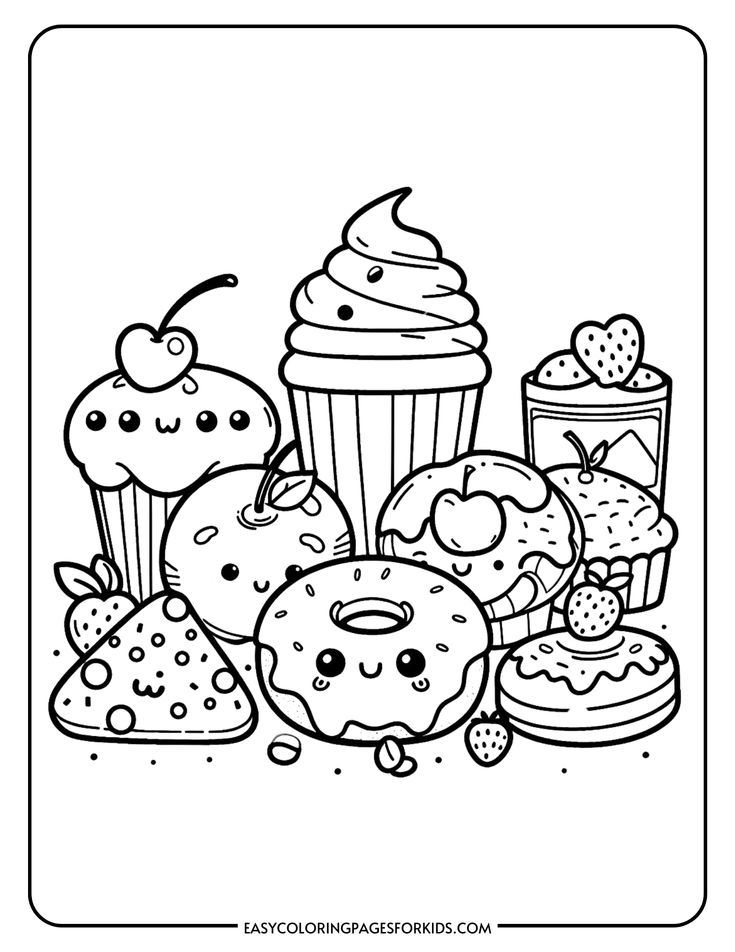
- Pair coloring with storytelling or discussions about the foods depicted. This can help children make connections between what they're coloring and real-life applications.
- Encourage children to use a variety of colors and textures in their coloring to make the foods come alive.
- Display the completed coloring pages around the classroom to create a colorful, engaging learning environment.
- Consider using these pages as a starting point for other activities, such as creating a class cookbook or planning a healthy snack time.
Safety and Allergies: A Word of Caution
While food coloring pages are generally safe, it's essential to be mindful of potential allergies. Always check with parents or guardians before introducing new foods, and consider using these pages as a teaching tool rather than a hands-on activity involving real food.
Conclusion
Food coloring pages for kindergarten offer a fun, engaging way to introduce children to a world of healthy eating. By incorporating these pages into your classroom activities, you'll be fostering creativity, learning, and a lifelong appreciation for nutritious foods.


Related Articles

Colorful Creations: Free Food Coloring Pages for Kindergarten
Food coloring pages for kindergarten represent a vibrant bridge between education and creativity, offering a simple yet effective tool for early childhood...

"Kindergarten-Friendly Color by Number Coloring Pages: Fun & Educational"
Color by Number Coloring Pages: A Fun and Educational Tool for Kindergarteners Color by number coloring pages have become an increasingly popular activity for...

"Kindergarten Coloring Pages: Fun & Educational Printables"
Engaging Kindergarten Coloring Pages: Fostering Creativity and Learning Coloring pages are more than just a fun activity for kindergarten children. They are...

"Kindergarten Dinosaur Coloring Pages: Fun & Educational Activities for Little Explorers"
Unleash Little Explorers' Creativity with Dinosaur Coloring Pages for Kindergarten Welcome to a world where prehistoric giants meet vibrant colors and eager...

"Kindergarten-Friendly Star Wars Coloring Pages: Free Printables for Little Jedi"
Unleash Creativity with Star Wars Coloring Pages for Kindergarten Immerse your kindergarteners in the magical world of Star Wars with engaging and educational...

"Kindergarten-Friendly Dog Coloring Pages: Free Printables for Little Puppy Lovers"
Welcome to our engaging guide on "Dog Coloring Pages for Kindergarten". We understand that you're looking for fun, educational, and age-appropriate activities...