"Unmatched Fitness: How NBA Players Stack Up in Athleticism"
NBA Players: A Symphony of Athleticism
The National Basketball Association (NBA) is renowned worldwide for its high-flying dunks, lightning-fast breaks, and nail-biting finishes. But what truly sets NBA players apart is their unparalleled athletic prowess. This article delves into the athletic abilities of NBA players, exploring their physical attributes, skills, and the rigorous training that keeps them at the pinnacle of their game.
Physical Attributes: Built for Speed and Power
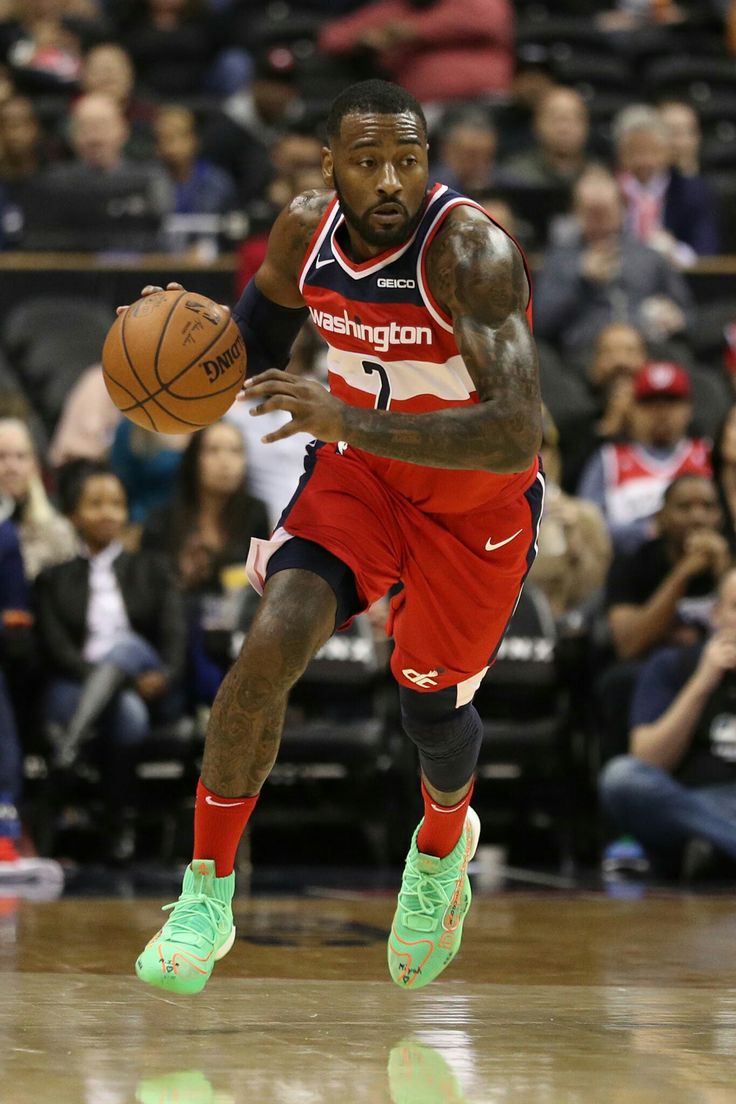
NBA players are a study in contrasts, with a blend of size, speed, and strength that's unmatched in other professional sports. The average NBA player stands at 6 feet 7 inches tall and weighs around 225 pounds, with many players towering above this average. This size, however, is coupled with remarkable agility and quickness. For instance, the league's fastest players can sprint from zero to full speed in just a few steps, a feat that would impress even the most seasoned track and field athletes.
Explosive Power: The Key to Dominance
One of the most striking aspects of NBA athleticism is the players' explosive power. This is evident in their ability to jump high enough to touch the rim (which is 10 feet off the ground) and block shots with ease. The vertical leap of an average NBA player is around 28 inches, with some elite athletes capable of leaping over 40 inches. This explosive power is not just about height; it's also about speed and strength, allowing players to accelerate quickly and change directions in an instant.


Skills: Mastery of the Game
While physical attributes are crucial, they mean little without the skills to put them to use. NBA players are masterful in their control of their bodies, demonstrating exceptional hand-eye coordination, balance, and proprioception (the ability to sense the position of one's body in space). This is evident in their ability to shoot a moving ball into a stationary hoop from various angles and distances, or to weave through defenders with intricate dribbling moves.
Court Vision and Basketball IQ
Beyond physical skills, NBA players also exhibit exceptional cognitive abilities. Court vision, the ability to anticipate and understand the game's flow, is a crucial skill that separates good players from great ones. This, coupled with a high basketball IQ, allows players to make split-second decisions, leading to brilliant passes, timely steals, and strategic plays.


Training and Conditioning: The Pursuit of Peak Performance
NBA players' athletic abilities are not merely a result of natural talent; they are honed through rigorous training and conditioning. The NBA offseason is a grueling period of strength and conditioning work, skill development, and recovery. Players work with teams of experts, including strength and conditioning coaches, nutritionists, and physical therapists, to ensure they return to the court in peak physical condition.
Load Management: Balancing Performance and Health
In recent years, the concept of load management has gained prominence in the NBA. This involves strategically reducing a player's workload to prevent injuries and maintain peak performance over the long season. This might involve resting players during certain games, adjusting practice intensity, or implementing recovery protocols. While controversial at times, load management is a testament to the NBA's commitment to player health and athletic longevity.
Comparisons: NBA Athletes vs. Other Sports
When comparing NBA athletes to those in other sports, it's clear that they possess a unique blend of physical attributes and skills. While NFL players might be stronger and NHL players might be faster on ice, few athletes can match the combination of size, speed, and agility found in the NBA. Moreover, the constant movement, quick decision-making, and complex strategies in basketball make it one of the most athletically demanding sports.


International Perspective: Global Athleticism
The NBA's global reach has led to a influx of international talent, bringing a diverse range of athletic styles and abilities to the league. From the Eurostep popularized by players like Luka Dončić to the acrobatic dunks of players like Dwight Howard, the international influence has enriched the NBA's athletic tapestry. This global exchange also highlights the universal appeal of basketball, a game that transcends borders and celebrates athletic excellence in all its forms.
Injuries and Longevity: The Double-Edged Sword of Athleticism
While NBA players' athletic abilities are a testament to their dedication and talent, they also come with a price. The high-impact nature of the game, combined with the physical demands placed on players, leads to a high incidence of injuries. Many players struggle with chronic issues like knee and ankle problems, which can shorten their careers. However, advancements in sports medicine, training methods, and player care are helping to extend the playing careers of many NBA athletes.
Retirement and Beyond: The Legacy of NBA Athletes
Even after their playing careers end, NBA athletes leave behind a lasting legacy. Many former players transition into coaching, broadcasting, or front office roles, using their knowledge and experience to shape the next generation of NBA talent. Others use their platform to advocate for social causes, inspiring change both on and off the court. Regardless of their post-career path, NBA athletes' athletic achievements serve as a testament to their dedication, hard work, and unparalleled athletic abilities.


In the end, the athleticism of NBA players is not just about dunks, fast breaks, and highlight-reel moments. It's about the culmination of years of hard work, dedication, and a relentless pursuit of excellence. It's about the strategic planning, the split-second decisions, and the unwavering commitment to the game. It's about the athletes who push the boundaries of human potential, inspiring fans worldwide with their incredible feats on the basketball court.
Related Articles

Why Do Football Players Have Black Lines? The Truth Behind Athletic Tape
On nearly every televised football match, the camera lingers for a second on the stark, graphic lines etched across a player’s skin. These dark strips, often...

"NFL's Least Athletic Players: A Surprising List"
Unassuming Athletes: The Least Athletic NFL Players The National Football League (NFL) is renowned for its physicality and athleticism, but even in this league...

" Iconic Basketball Players Who Wore the Number 8"
The number 8 has been donned by some of basketball's most iconic players, each leaving an indelible mark on the sport. This article delves into the careers of...

"Transform Your Skeeter Boat: Custom Wraps for Unmatched Style & Protection"
Elevate Your Water Experience: The Art of Skeeter Boat Wraps In the world of boating, a Skeeter boat is more than just a vessel; it's a statement of style and...

"Craft Your Spirit: DIY Volleyball Posters for Players"
Are you looking to pump up your team's spirit and create a buzz around your upcoming volleyball game? Why not try making your own homemade volleyball posters?...

"Printable NFL Players Coloring Pages: Free & Fun for Kids"
Are you looking for a fun and engaging way to keep your little ones entertained while also teaching them about their favorite sport? Look no further than NFL...