"Vibrant Ice Cream Cone Colors: A Rainbow of Flavors"
Unveiling the Rainbow: A Deep Dive into Ice Cream Cone Colors
The humble ice cream cone, a summer staple, comes in a variety of colors that often go unnoticed. But have you ever wondered why ice cream cones aren't just one color? Let's explore the fascinating world of ice cream cone colors, their origins, and the science behind them.
From Golden Brown to Jet Black: The Spectrum of Ice Cream Cone Colors
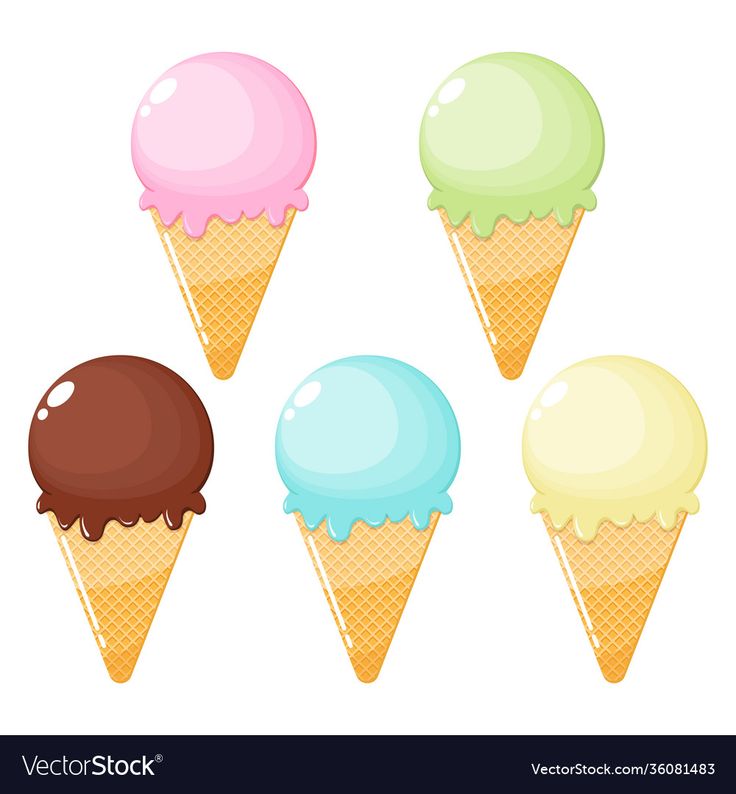
Ice cream cones come in a wide spectrum of colors, ranging from the classic golden brown to more exotic hues like jet black or vibrant blue. Each color tells a story, reflecting the cone's ingredients, manufacturing process, and even cultural influences.
Golden Brown: The Classic Cone
The most common ice cream cone color is golden brown. This color is achieved through the caramelization of sugars in the cone's dough during baking. The heat causes the sugars to break down and turn brown, giving the cone its characteristic color and a hint of sweetness.


Jet Black: The Mysterious Cone
Black ice cream cones are less common but no less intriguing. The color is typically achieved through the use of activated charcoal, a natural ingredient with detoxifying properties. However, it's important to note that not all black cones contain charcoal, and some may use artificial coloring.
Vibrant Blue: The Instagram-Worthy Cone
Blue ice cream cones have gained popularity in recent years, thanks in part to their Instagram-worthiness. The color is usually achieved through the use of butterfly pea flower powder, a natural blue dye. Some cones may also use artificial coloring, so it's always a good idea to check the ingredients.


Cultural Influences on Ice Cream Cone Colors
Ice cream cone colors can also reflect cultural influences. For instance, in some Asian countries, black cones are more common due to the popularity of activated charcoal as a health supplement. In other cultures, vibrant colors may be preferred for their festive or celebratory associations.
The Science Behind Ice Cream Cone Colors
The color of an ice cream cone is not just about aesthetics; it can also affect its taste and texture. For example, darker cones can absorb more heat, making them slightly warmer and softer. Conversely, lighter cones reflect more heat, staying cooler and crunchier.
Moreover, the color of a cone can influence our perception of its taste. A study by the Crossmodal Research Laboratory at the University of Oxford found that people tend to perceive foods of different colors as having different tastes. For instance, blue cones were perceived as sweeter than they actually were.


Ice Cream Cone Colors: A Timeline
| Year | Cone Color | Significance |
|---|---|---|
| 1904 | Golden Brown | Introduction of the ice cream cone at the World's Fair in St. Louis |
| 1930s | White | Introduction of the sugar cone, which was originally white |
| 1990s | Black | Rise of activated charcoal as a health supplement |
| 2010s | Blue, Purple, etc. | Increased interest in natural dyes and Instagram-worthy treats |
From the classic golden brown to the vibrant and exotic, ice cream cone colors are more than just a matter of aesthetics. They reflect the cone's ingredients, manufacturing process, cultural influences, and even our perception of taste. So the next time you enjoy an ice cream cone, take a moment to appreciate its color - it's a story in itself.



Related Articles

"Vibrant Pineapple Gummy Colors: A Rainbow of Flavors"
Unraveling the Vibrant World of Pineapple Gummy Colors The vibrant, fruity world of pineapple gummies is not just about their tangy taste; it's also about...

"Vibrant Colors in My Little Pony: Unleash Your Inner Rainbow"
In the dynamic world of machine learning, the Color Multi-Layer Perceptron (Color MLP) has emerged as a fascinating and powerful tool for image classification...

"Vibrant Parrotfish Colors: Exploring Nature's Rainbow in the Reef"
Discovering the Vibrant World of Parrotfish: Colors, Habits, and Facts The term "parrotfish" might evoke images of colorful, talking birds, but in reality, it...

"Color Your Mouth Watering: Free Printable Ice Cream Cone Coloring Pages"
Unleash Your Creativity: Discover Charming Ice Cream Cone Coloring Pages Embark on a sweet adventure with our delightful collection of ice cream cone coloring...
"Vibrant Ice Cream Cone Color Pages for Kids: Free Printables"
Unveiling the Vibrant World of Ice Cream Cone Colors Ice cream, a beloved treat that transcends age and culture, has been a staple of summer since its...

"Vibrant Hong Kong Ice Cream Cones: A Colorful Treat"
The vibrant streets of Hong Kong are not only known for their towering skyscrapers and bustling markets, but also for the iconic Hong Kong ice cream cone , a...