"Unleash Creativity: 15+ Informational Poster Design Inspirations"
Unveiling the Canvas: Informational Poster Design Inspiration
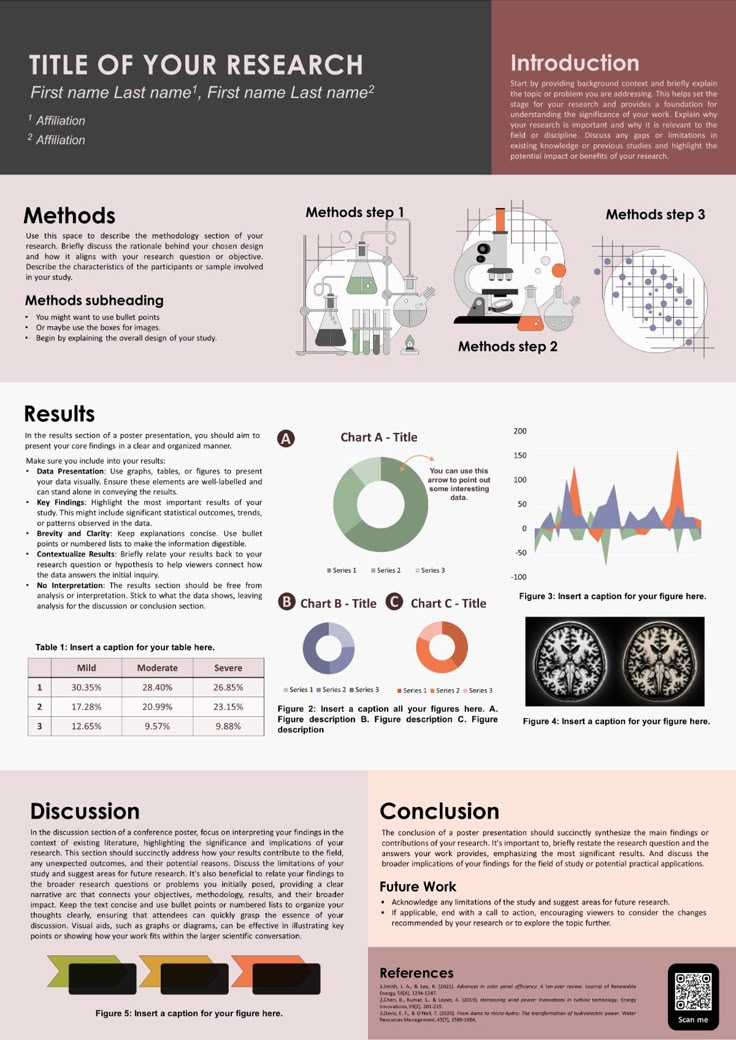
In the realm of visual communication, informational poster design stands as a powerful tool, transforming complex data into digestible, engaging narratives. Whether you're designing for a museum exhibit, a corporate event, or an awareness campaign, inspiration is the lifeblood of compelling poster design. Let's delve into the world of informational poster design, exploring trends, techniques, and real-world examples to spark your creativity.
Understanding Your Audience: The Cornerstone of Design
Before you embark on your design journey, understanding your audience is paramount. Their demographics, interests, and knowledge level will dictate the poster's tone, complexity, and visual style. For instance, a poster aimed at children will differ significantly from one targeting academics. Once you've defined your audience, you can tailor your design to resonate with them effectively.
Mastering the Art of Simplicity: Less is More
Informational posters often grapple with the challenge of conveying intricate information concisely. The key lies in mastering the art of simplicity. Distill complex data into key points, use clear, concise language, and prioritize hierarchy to guide the viewer's eye. White space is your friend; it allows elements to breathe and prevents visual clutter.


Infographics: Visual Storytelling at Its Finest
Infographics are a designer's secret weapon, transforming raw data into compelling visual stories. They combine icons, charts, and graphs to illustrate trends, comparisons, and processes. To create effective infographics, ensure data is accurate, choose the right chart type, and maintain a consistent visual language.
Typography: The Unsung Hero of Poster Design
Typography is not merely about choosing a font; it's about crafting a voice. The right font can evoke emotion, convey tone, and enhance readability. For informational posters, legibility is crucial, so opt for fonts designed for body text. However, don't shy away from experimenting with display fonts for headings to add visual interest.


Color Psychology: Harnessing the Power of Emotion
Color is a potent tool in poster design, capable of evoking emotions and influencing perception. Understand color psychology to choose hues that resonate with your audience and support your message. For instance, blue is often associated with trust and stability, while red can stimulate urgency or excitement.
Trends in Informational Poster Design: What's Hot and What's Not
Design trends ebb and flow, and informational poster design is no exception. Currently, we're seeing a resurgence of retro-inspired designs, with bold, vintage typography and vibrant colors. Minimalism remains popular, with designers favoring flat design, simple shapes, and a focus on content over ornamentation. Interactive posters, augmented reality, and data visualization are also gaining traction, pushing the boundaries of traditional poster design.
Real-World Inspiration: Iconic Informational Posters
To ignite your creative spark, let's explore some iconic informational posters that have stood the test of time:




- WPA Posters (1930s-1940s): These posters, created during the Great Depression, are celebrated for their bold, graphic style and powerful messaging. They serve as a testament to the power of poster design in promoting social change.
- London Transport Posters (1908-present): From Edward McKnight Kauffer's Art Deco masterpieces to the modern, playful designs of today, London Transport posters have consistently pushed the boundaries of poster design, blending art and information seamlessly.
- World War II Propaganda Posters: These posters, created during World War II, are renowned for their persuasive messaging and striking visuals. They serve as a reminder of the power of poster design in rallying support for a cause.
Conclusion: Designing for Impact
Informational poster design is a multifaceted discipline, requiring a blend of creativity, technical skill, and strategic thinking. By understanding your audience, mastering the art of simplicity, and staying attuned to design trends, you can create posters that inform, engage, and inspire. So, go forth, designers, and let your creativity run wild on that blank canvas. The world is waiting for your next masterpiece.


Related Articles
"Unleash Creativity: 100+ Informational Poster Design Ideas & Inspiration"
Unleashing Creativity: A Comprehensive Guide to Informational Poster Design Inspiration In the realm of visual communication, informational poster design plays...

"Unleash Creativity: Tanjiro Color Sheet for Design Inspiration"
Unveiling the Vibrant World of Tanjiro's Color Sheets Embarking on a journey through the captivating world of "Demon Slayer: Kimetsu no Yaiba" often leaves us...

"Unleash Creativity: 15+ Event Poster Design Ideas for Maximum Impact"
Crafting Engaging Event Poster Designs: A Comprehensive Guide In the digital age, event promotion isn't just about where and when, but also about how you...

"Vibrant Colored Paper Design Ideas: Unleash Your Creativity"
In the world of design, the humble piece of paper can be transformed into a vibrant canvas of creativity. Colored paper design ideas have the power to elevate...

"Unleash Creativity: Free Tiki Face Templates for Design Magic"
In the dynamic world of digital design, finding the perfect face template can be a game-changer. Tiki faces, with their expressive and playful nature, have...

"Unleash Creativity: Lisa Frank Coloring Poster for Instant Nostalgia"
Unleash Your Creativity with Lisa Frank Coloring Posters Lisa Frank, the iconic brand synonymous with vibrant colors and whimsical designs, has brought joy to...