"Mastering Kids Animation Drawings: Step-by-Step Techniques for Aspiring Animators"
Mastering Kids' Animation Drawings: A Comprehensive Guide
Embarking on a journey into the vibrant world of kids' animation drawings can be an exciting and rewarding experience. This guide will delve into the fundamentals, techniques, and best practices to help you create captivating and age-appropriate illustrations that bring joy to young audiences.
Understanding the Basics of Kids' Animation Drawings
Kids' animation drawings differ from their adult counterparts in several ways. They often feature simplified forms, bold outlines, and vibrant colors. Understanding the basics of this style is crucial for creating engaging content for young viewers.
- Simplicity is key: Break down complex shapes into their simplest forms to make them easy for children to understand and relate to.
- Bold outlines: Thick, dark outlines help characters and objects stand out against the background and make them more appealing to kids.
- Vibrant colors: Bright, primary colors are a staple in kids' animation. They evoke emotions of happiness and excitement, making the viewing experience more enjoyable for young audiences.
Essential Tools and Materials
Before you begin your drawing adventure, gather the necessary tools and materials to ensure a smooth and enjoyable creative process.


- Pencils: A set of HB, 2B, and 4B pencils will provide you with the range of darkness needed for sketching and shading.
- Paper: Use smooth, acid-free paper to prevent smudging and ensure longevity for your artwork.
- Eraser: A kneaded eraser and a regular plastic eraser will help you correct mistakes and maintain clean lines.
- Markers or colored pencils: For adding vibrant colors to your drawings, markers or colored pencils are excellent choices.
Developing Your Drawing Skills
Improving your drawing skills is an ongoing process that requires dedication and practice. Here are some tips to help you grow as an artist:
- Study and practice: Regularly study professional kids' animation drawings and practice drawing from reference to develop your skills and understanding of the style.
- Learn anatomy and perspective: A solid understanding of these fundamentals will help you create more believable and dynamic characters and environments.
- Experiment with different techniques: Try out various drawing methods, such as line art, shading, and hatching, to find what works best for you and your style.
Storytelling through Kids' Animation Drawings
Kids' animation is all about telling engaging stories that captivate young audiences. Incorporate these storytelling techniques into your drawings to create compelling narratives:


- Expressions and poses: Use exaggerated facial expressions and dynamic poses to convey emotions and actions, making your characters more relatable and entertaining.
- Backgrounds and environments: Create diverse and imaginative settings to support the story and provide visual interest throughout the animation.
- Composition and layout: Arrange elements on the page thoughtfully to guide the viewer's eye through the story and create a sense of balance and harmony.
Inspiration and Resources
To keep your creative juices flowing, explore these resources for inspiration and continuous learning:
- Books: "The Animator's Survival Kit" by Richard Williams and "Cartoon Animation" by Preston Blair are excellent resources for learning animation fundamentals.
- Online tutorials: Websites like YouTube, Pinterest, and ArtStation offer countless tutorials and tips for improving your animation drawing skills.
- Art communities: Join online forums and social media groups dedicated to kids' animation to connect with fellow artists, share your work, and gain valuable feedback.
Embracing the world of kids' animation drawings is an exciting journey filled with creativity, learning, and self-discovery. By understanding the fundamentals, honing your skills, and incorporating engaging storytelling techniques, you'll be well on your way to creating captivating illustrations that inspire and delight young audiences.


Related Articles

"Mastering Pilot Drawing: Step-by-Step Techniques for Aspiring Artists"
Pilot Drawing: A Comprehensive Guide Mastering the Art of Pilot Drawing Pilot drawing, also known as line art or inking, is a fundamental skill in the world of...

"Mastering Raptor Paint: A Step-by-Step Guide to Coloring Techniques"
Mastering Raptor Paint: A Comprehensive Guide to Coloring Embarking on the journey of coloring raptor paint can be an incredibly rewarding experience. Whether...

"Easy Bunny Drawings: Simple Step-by-Step Tutorials for Kids & Adults"
Mastering Bunny Drawings: Easy Techniques for All Ages Embarking on a journey to draw bunnies can be as delightful as watching these fluffy creatures hop...

"Easy Butterfly Drawings for Kids: Step-by-Step Tutorials"
Captivating Butterfly Drawings for Kids: A Step-by-Step Guide Butterflies are a source of wonder and inspiration for children, and what better way to channel...

"Mastering Realistic Dog Photo Drawings: A Step-by-Step Guide"
Mastering Realistic Dog Photo Drawings Transforming a photograph of your furry friend into a realistic drawing can be an incredibly rewarding artistic journey...
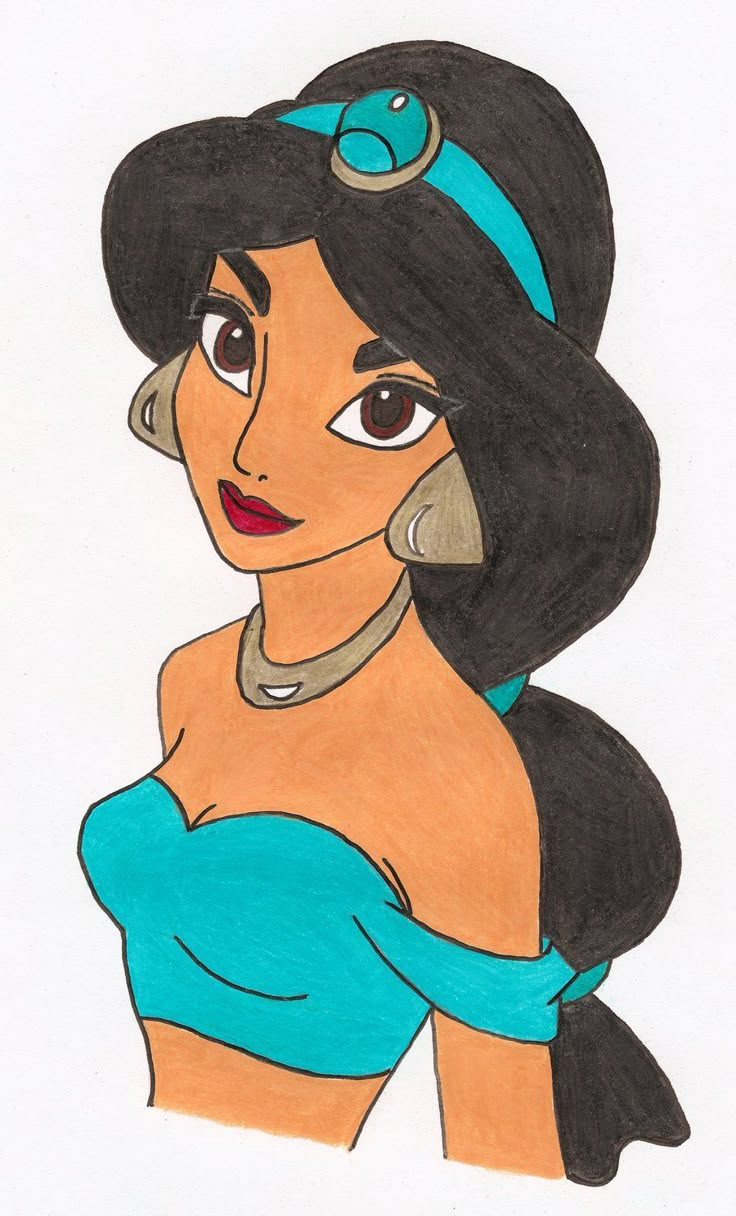
"Easy Disney Princess Drawings: Step-by-Step Tutorials for Kids"
Unleash your creativity and bring your favorite Disney princesses to life with our easy-to-follow drawing guides. Whether you're an aspiring artist or simply...