"Mastering Kids' Cartoon Drawings: Easy & Fun Tutorials"
In the vibrant world of children's entertainment, few mediums capture young minds as effectively as kids' cartoon drawings. These whimsical, imaginative illustrations are not just visual delights; they're powerful tools for learning, creativity, and emotional development. Let's delve into the captivating realm of kids' cartoon drawings, exploring their history, styles, benefits, and notable artists.
Historical Evolution of Kids' Cartoon Drawings
Cartooning for children has evolved significantly since its inception in the late 19th century. The first known cartoon strip, "The Yellow Kid," appeared in Joseph Pulitzer's New York World in 1895. This early example set the stage for a new genre of humor aimed at a broader audience, including children. Over time, kids' cartoon drawings have transformed from simple, black-and-white sketches to vibrant, complex animations.
Golden Age of Animation
The mid-20th century, often referred to as the Golden Age of Animation, saw a boom in kids' cartoon drawings. Studios like Disney, Warner Bros., and Hanna-Barbera produced iconic characters and stories that continue to resonate today. This era was marked by advancements in animation techniques, such as the introduction of Technicolor and the multiplane camera, which added depth and realism to cartoon drawings.


Styles and Techniques in Kids' Cartoon Drawings
Kids' cartoon drawings encompass a wide range of styles, from simple, minimalist designs to intricate, detailed illustrations. Here are some popular styles and techniques:
- Limited Animation: This style, popularized by Hanna-Barbera, uses simplified drawings and minimal movement to create humor and appeal.
- Anime: Originating from Japan, anime is characterized by its detailed, expressive characters and fluid, dynamic movements. It often explores complex themes and narratives.
- Stop-Motion: This technique involves moving physical models or objects frame by frame to create the illusion of movement. Examples include " Wallace and Gromit" and "Corpse Bride."
Digital Revolution
The advent of digital technology has revolutionized kids' cartoon drawings. Computer-generated imagery (CGI) and software like Adobe Animate and Toon Boom Harmony allow artists to create complex, immersive worlds and characters with ease. This has opened up new possibilities for storytelling and visual expression in children's animation.


Benefits of Kids' Cartoon Drawings
Kids' cartoon drawings offer more than just entertainment. They provide numerous benefits for children's cognitive, emotional, and social development:
| Benefit | Explanation |
|---|---|
| Cognitive Development | Cartoons help children develop problem-solving skills, understand cause and effect, and learn new concepts through engaging, visual storytelling. |
| Emotional Intelligence | By exploring complex emotions and relationships, cartoons help children develop empathy and understand their own feelings. |
| Creativity and Imagination | Cartoon drawings inspire children to create their own stories and art, fostering creativity and imagination. |
Notable Artists and Series in Kids' Cartoon Drawings
Throughout history, many talented artists have contributed to the world of kids' cartoon drawings. Some notable figures and series include:
- Walt Disney: The founder of Disney Studios, Disney created iconic characters like Mickey Mouse and produced classic films like "Snow White and the Seven Dwarfs" and "The Jungle Book."
- Dr. Seuss: Although primarily known for his books, Dr. Seuss's whimsical illustrations have inspired numerous animated adaptations, such as "The Cat in the Hat" and "How the Grinch Stole Christmas."
- Peanuts by Charles Schulz: Schulz's beloved comic strip, featuring Charlie Brown and Snoopy, has been adapted into numerous animated specials and movies, including "A Charlie Brown Christmas" and "Snoopy, Come Home."
- SpongeBob SquarePants: Created by marine science educator and animator Stephen Hillenburg, this underwater comedy series has become a cultural phenomenon, teaching children about marine life and environmental conservation.
From their humble beginnings to their current digital iterations, kids' cartoon drawings have captivated and inspired generations of children. As we continue to explore new styles and storytelling techniques, the future of kids' cartoon drawings promises to be as vibrant and imaginative as ever.


Related Articles

"Easy Cartoon Boy Drawing Tutorials for Kids"
Unleash your little one's creativity with our engaging guide on how to draw a cartoon boy! This step-by-step tutorial is designed to be fun and easy, perfect...

"Easy Bunny Drawings: Simple Step-by-Step Tutorials for Kids & Adults"
Mastering Bunny Drawings: Easy Techniques for All Ages Embarking on a journey to draw bunnies can be as delightful as watching these fluffy creatures hop...

"Easy Cartoon Animals Drawing for Kids: Fun & Simple Tutorials"
Unleash Your Little Artist: Easy Cartoon Animals Drawing for Kids Encourage your child's creativity with fun and simple cartoon animal drawing lessons. These...

"Easy Butterfly Drawings for Kids: Step-by-Step Tutorials"
Captivating Butterfly Drawings for Kids: A Step-by-Step Guide Butterflies are a source of wonder and inspiration for children, and what better way to channel...
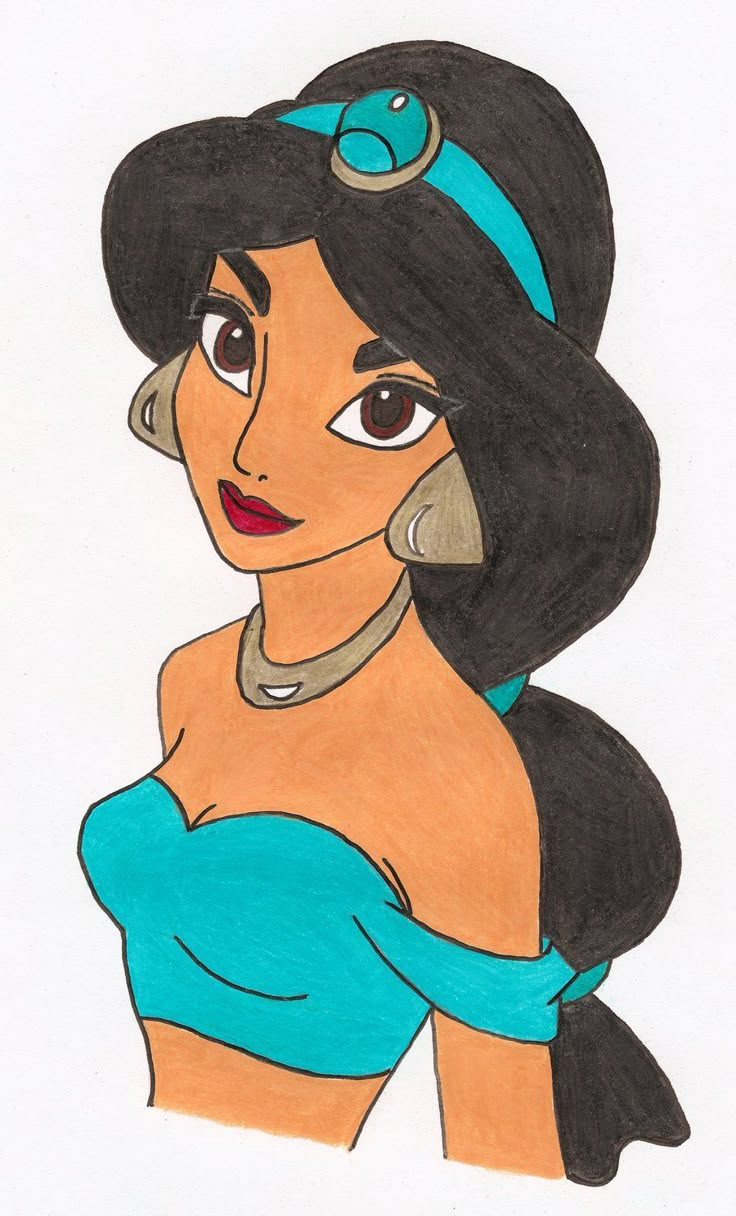
"Easy Disney Princess Drawings: Step-by-Step Tutorials for Kids"
Unleash your creativity and bring your favorite Disney princesses to life with our easy-to-follow drawing guides. Whether you're an aspiring artist or simply...

"Easy Step-by-Step Drawing Tutorials for Kids"
Unleashing Creativity: Easy Drawing Tutorials for Kids Drawing is an excellent way for kids to express their creativity and develop fine motor skills. We've...