"Engaging Mazes for 4-Year-Olds: Fun & Educational Activities"
Mazes, often associated with intricate labyrinths and complex puzzles, can be a fun and educational activity for children as young as four. Designed appropriately, mazes can help preschoolers develop essential skills such as problem-solving, hand-eye coordination, and spatial awareness. Let's delve into the world of mazes for 4-year-olds, exploring their benefits, types, and how to create engaging maze activities at home.
Why Mazes for 4-Year-Olds?
Introducing mazes to your 4-year-old can foster a love for puzzles and logical thinking. Here's why mazes are beneficial for preschoolers:
- Cognitive Development: Mazes encourage children to think critically and plan their path, enhancing their problem-solving skills.
- Fine Motor Skills: Tracing paths in mazes helps improve hand-eye coordination and dexterity.
- Spatial Awareness: Mazes help children understand and navigate space, preparing them for reading maps and understanding directions later in life.
- Patience and Persistence: Completing a maze teaches children to stay focused and persistent, even when faced with challenges.
Types of Mazes for 4-Year-Olds
Mazes for young children come in various forms, catering to different interests and skill levels. Here are some types of mazes suitable for 4-year-olds:


Simple Path Mazes
These mazes consist of a single, winding path from start to finish. They are perfect for introducing young children to mazes, helping them understand the concept of following a path.
Multiple Path Mazes
In these mazes, multiple paths lead to the same or different destinations. Children must choose the correct path to reach the goal, adding an element of decision-making to the activity.


Maze Games
Interactive maze games, such as "Maze Race" or "Maze Tag," can be played on large, floor-based mazes. These games encourage physical activity and social interaction while developing maze-solving skills.
3D Mazes and Maze Apps
Three-dimensional mazes and interactive maze apps offer engaging, immersive experiences for young children. However, it's essential to monitor screen time and ensure the apps are age-appropriate and safe.
Creating Mazes at Home
Creating mazes at home is an affordable and fun way to engage your 4-year-old in learning activities. Here are some ideas for DIY mazes:


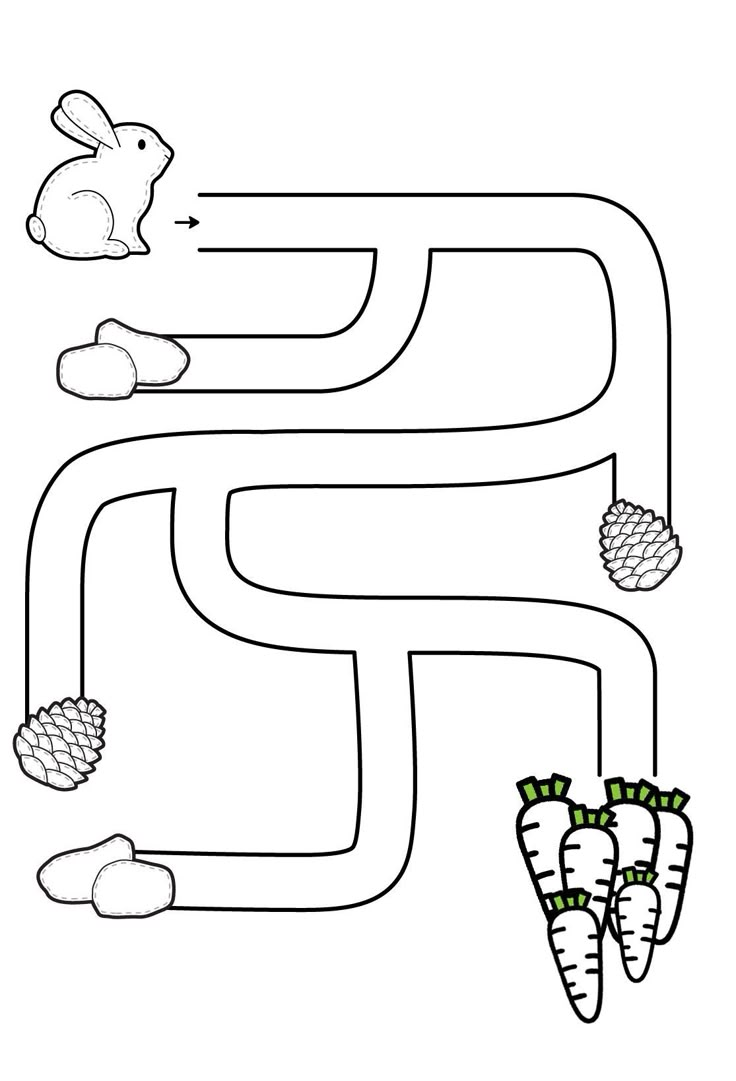

Paper and Pencil Mazes
Draw simple mazes on paper using various shapes, lines, and turns. You can also print free maze templates online and let your child trace the path with crayons or colored pencils.
Cardboard Box Mazes
Transform cardboard boxes into engaging maze play structures. Cut out entrances, exits, and paths using a box cutter, and let your child navigate the maze with a ball or toy car.
Indoor and Outdoor Mazes
Create temporary mazes using furniture, pillows, and blankets indoors or using chalk, cones, and hula hoops outdoors. Encourage your child to find their way through the maze while you time them or provide challenges along the way.


Tips for Using Mazes with 4-Year-Olds
To make the most of maze activities with your 4-year-old, consider the following tips:
- Start with simple mazes and gradually introduce more complex ones as your child's skills develop.
- Encourage your child to use their finger or a toy to trace the path, helping them understand the maze's layout better.
- Praise your child's efforts and progress, focusing on the process rather than the outcome.
- Be patient and provide guidance when needed, but allow your child to solve the maze independently when possible.
- Make mazes a fun, engaging activity by incorporating themes, such as "Finding the Treasure" or "Rescuing the Princess."
Incorporating mazes into your 4-year-old's playtime can provide numerous benefits while fostering a love for puzzles and problem-solving. By understanding the various types of mazes and creating engaging activities at home, you can support your child's cognitive, physical, and social development through these captivating learning experiences.
Related Articles
"Engaging Mazes for 4-Year-Olds: Fun & Educational Puzzles"
Mazes, with their intricate paths and engaging challenges, are not just fun for 4-year-olds but also excellent tools for their cognitive and motor skill...

"Engaging Games for 4-Year-Olds: Fun & Educational Activities"
Choosing the right games for 4-year-olds is crucial for their cognitive, social, and emotional development. At this age, children are exploring the world...

"Dinosaur Coloring Pages for 4-Year-Olds: Fun & Educational Activities"
Embark on a prehistoric adventure with your little one as you explore the world of dinosaur coloring pages designed especially for 4-year-olds. These engaging...

"Engaging Coloring Worksheets for 4-Year-Olds: Fun & Educational"
Engaging Coloring Worksheets for 4-Year-Olds: Fostering Learning and Creativity Coloring worksheets are not just fun activities for 4-year-olds; they are...
"Engaging Printable Mazes for 10-Year-Olds: Fun & Educational"
Embarking on a fun and educational journey, printable mazes for 10-year-olds offer an engaging way to enhance cognitive skills while keeping children...

"Engaging PBS Games for 4-Year-Olds: Fun & Educational"
Engaging and Educational PBS Games for 4-Year-Olds When it comes to finding age-appropriate games for your little ones, PBS Kids has a wealth of engaging and...