"Unveiling Raven Color Morphs: Discover Rare and Stunning Varieties"
Ravens, known for their intelligence and adaptability, exhibit a fascinating array of color morphs, adding to their intrigue and allure. These variations are not mere cosmetic differences but reflect unique genetic traits and adaptations. Let's delve into the captivating world of raven color morphs.
Understanding Raven Color Morphs
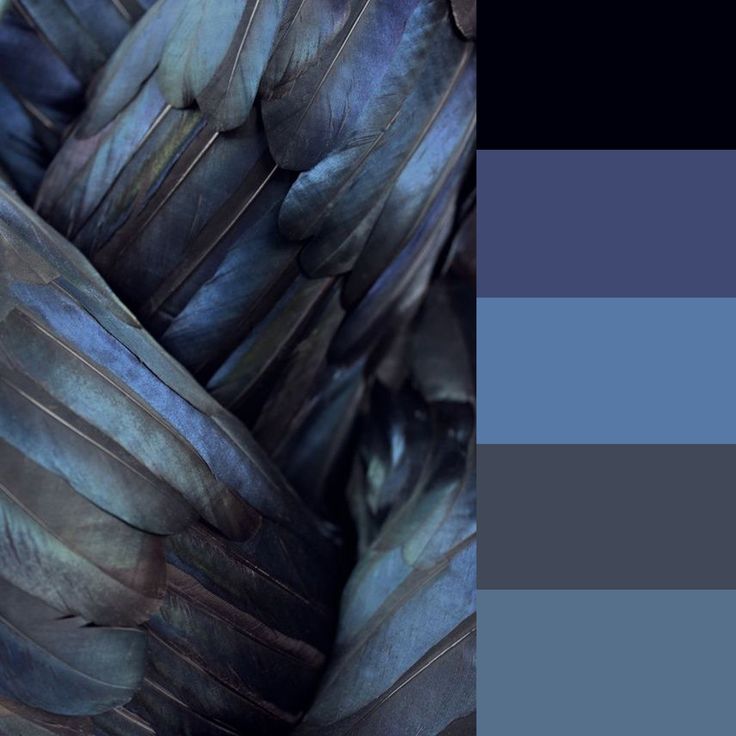
Color morphs in ravens refer to variations in their plumage color, primarily in their feathers. These variations are due to genetic mutations that affect the production of melanin, the pigment responsible for feather color. While most ravens are black, with a sheen that can appear blue, green, or purple, some morphs display striking deviations from this norm.
Common Raven Color Morphs
Several raven color morphs have been documented, each with its unique characteristics:


- White Raven (Leucism): White ravens are not albinos but exhibit a condition called leucism, where their feathers lack pigment, appearing white. Their eyes are typically dark, unlike albinos. White ravens are extremely rare, with only a few documented cases worldwide.
- Brown Raven (Melanism): Brown ravens, also known as melanistic ravens, have a surplus of melanin, making their feathers dark brown instead of black. This morph is more common than the white raven but still rare.
- Gray Raven (Partial Melanism): Gray ravens have a mix of black and brown feathers, giving them a gray appearance. This morph is more common than the previous two but still not as common as the standard black raven.
Rarity and Significance of Raven Color Morphs
Raven color morphs are rare, with the white morph being the rarest. Their rarity has led to much speculation and folklore surrounding them. In some cultures, white ravens are considered omens of peace or good luck, while in others, they are seen as harbingers of doom.
Scientifically, these morphs provide valuable insights into evolution and adaptation. They demonstrate how genetic mutations can lead to physical variations that may confer survival advantages in certain environments. For instance, white ravens may blend in with snow-covered landscapes, making them harder for predators to spot.


Caring for Raven Color Morphs in Captivity
Raven color morphs in captivity require the same care as their black counterparts. They need a varied diet, plenty of space, and mental stimulation to keep them active and healthy. However, their unique coloration may make them more susceptible to certain health issues, such as sunburn, so extra care must be taken to protect their skin and eyes.
It's also crucial to ensure that these birds are not stressed or bullied by other ravens or birds in their enclosure. Stress can lead to health issues and may even cause a bird to stop eating, which can be fatal. Providing a calm, stable environment is key to keeping these remarkable birds healthy and happy.
Conservation of Raven Color Morphs
Raven color morphs are generally protected under the same laws that protect their black counterparts. However, their rarity makes them vulnerable to habitat loss and other threats. Conservation efforts focused on preserving raven habitats and maintaining genetic diversity within populations are crucial for the survival of these unique birds.


In conclusion, raven color morphs are fascinating examples of nature's diversity. Their rarity and unique characteristics make them objects of scientific study and cultural fascination. By understanding and appreciating these birds, we can help ensure their survival for generations to come.


Related Articles
"Discover Stunning Raven Color Morphs: Unveiling Nature's Palette"
Ravens, known for their intelligence and adaptability, exhibit a fascinating array of color variations, or morphs, that have captivated scientists and...

"Discover Turkey's Stunning Color Morphs: A Guide to Their Unique Varieties"
Turkey Color Morphs: A Comprehensive Guide Turkeys, renowned for their vibrant plumage, exhibit a remarkable array of color morphs that captivate both breeders...

"Discover Stunning Bear Color Morphs: Rare & Fascinating Facts"
The captivating world of bears is not only filled with diverse species but also an array of color morphs that make each individual unique. Bear color morphs...

"Unveiling Raven Feet: Discover Their Unique Color & Meaning"
Raven Feet: A Closer Look at the Color and Function Ravens, known for their intelligence and adaptability, are also notable for their striking plumage and...

"Unveiling Raven Leg Color: Discover the Shades & Care Tips"
The raven, a species of bird known for its intelligence and adaptability, is also recognized for its striking appearance. One of the most distinctive features...

"Unveiling Rare Eye Colors in Cats: A Stunning Guide"
Unveiling the Enigma: Rare Color Eyes in Cats Cats, with their captivating gazes, have long held a special place in our hearts. While the majority of felines...