"Discover Raven: The Ultimate Dark Shade Color Guide"
Exploring the Spectrum of Raven Color Shades
The raven, a bird known for its intelligence and adaptability, also stands out due to its striking plumage. The color of a raven's feathers is not as straightforward as it might seem, as it varies across different species and even within the same species due to factors like age and environment. Let's delve into the fascinating world of raven color shades.
Common Raven: A Study in Black
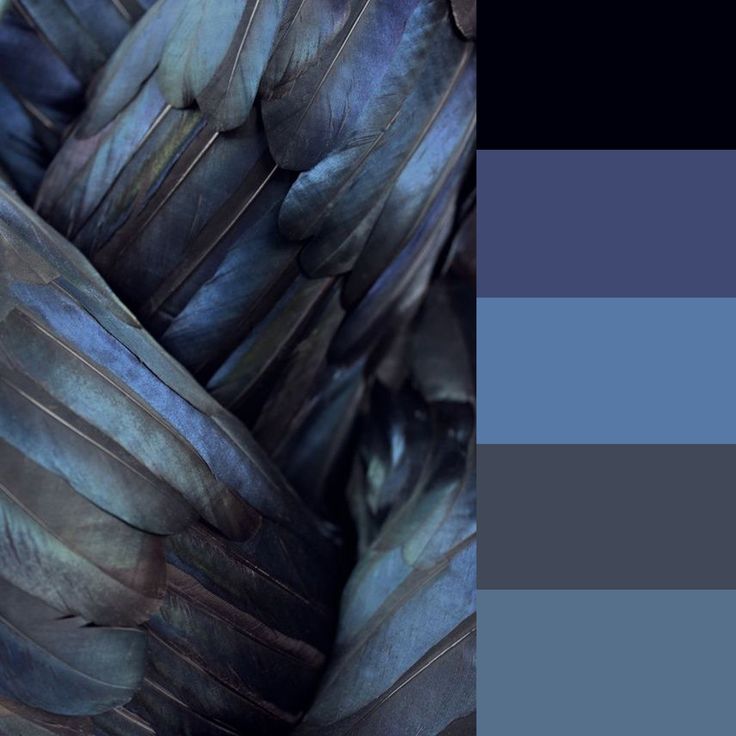
The Common Raven (Corvus corax), the largest of the crow family, is renowned for its glossy black feathers. However, this 'black' is not a simple absence of color. It's a result of the unique structure of the feathers, which scatter light in such a way that it appears black to our eyes. This is known as iridescence, and it's a common trait among ravens.
Variations in Black
While the Common Raven is predominantly black, there can be variations in the shade of black. Some ravens may appear more blue-black or green-black due to the iridescence, while others might have a more matte, less glossy appearance. These variations are often influenced by the bird's age and the lighting conditions.


Other Raven Species: A Rainbow of Shades
While the Common Raven is predominantly black, other raven species exhibit a wider range of colors. The Chihuahuan Raven (Corvus cryptoleucus), for instance, has a white patch on its throat and a white tip on its tail. The White-necked Raven (Corvus albicollis) has a white neck and a white patch on its wings.
Hooded Raven: A Master of Camouflage
The Hooded Raven (Corvus cornix) is a master of camouflage, with its feathers ranging from dark brown to black, depending on the light. This variation in color helps it blend in with its surroundings, providing a protective advantage.


Raven Plumage: More Than Meets the Eye
Raven feathers are not just colored; they also have intricate patterns and structures. The feathers have barbs that are pigmented with melanin, which gives them their color. The way these barbs are arranged and the type of melanin used can result in a wide range of shades and patterns.
Melanin: The Color Architect
Melanin is the pigment responsible for the color of raven feathers. Different types of melanin produce different colors. Eumelanin, the most common type, is responsible for the black color of most ravens. Pheomelanin, on the other hand, produces a range of colors from reddish-brown to yellow.
Raven Color Shades in Culture and Symbolism
Ravens' color shades have been a source of fascination and symbolism in various cultures. In many Native American tribes, the raven is a trickster figure, often depicted in black, symbolizing its cunning and adaptability. In Norse mythology, the raven is associated with the god Odin, who is often depicted with black ravens.


Raven Color Shades in Art and Literature
Ravens' color shades have also inspired artists and writers. In Edgar Allan Poe's famous poem "The Raven," the bird is described as having "ebony" feathers, reflecting the poem's dark themes. In art, ravens have been depicted in a variety of shades, from the glossy black of the Common Raven to the more muted tones of the Hooded Raven.
Conclusion
The world of raven color shades is complex and fascinating, reflecting the birds' unique biology and the rich tapestry of human culture and imagination. From the iridescent black of the Common Raven to the camouflage colors of the Hooded Raven, each shade tells a story of adaptation, symbolism, and artistry.


Related Articles
"Unveiling Raven: The Ultimate Color Shade Guide"
The raven, a species known for its intelligence and adaptability, is also renowned for its striking plumage. The color of a raven's feathers is a fascinating...

"Discover Raven Noir: The Ultimate Dark Hair Color Trend"
Embarking on a journey into the world of color, we arrive at a captivating shade that has been intriguing artists, designers, and fashion enthusiasts alike...

"Discover Raven Green: The Ultimate Color Guide"
Dive into the world of color with us as we explore the captivating raven green. This rich, deep shade is more than just a color; it's a statement, a mood, and...

"Discover Your Perfect Shade: May Gemini's Color Guide"
Discover the captivating world of May Gemini, a unique gemstone that has been captivating jewelry enthusiasts and gemologists alike. Known for its mesmerizing...

"Discover Belle's Dark Brown: A Rich Shade for Your Space"
Welcome to our comprehensive guide on "Belle Color Dark Brown". This rich, earthy hue is a popular choice in interior design, fashion, and beauty, offering a...
"Unveiling Raven Grey: The Ultimate Color Guide"
Unveiling the Enigma of Raven Grey: A Comprehensive Exploration In the vast spectrum of colors that adorn our world, one hue stands out for its intrigue and...