"Unveil Raven Skin: The Ultimate Dark Beauty"
Unveiling the Enigma: Raven Skin Color Variations
The raven, a bird known for its intelligence and mystique, is also renowned for its striking plumage. However, when it comes to the raven's skin color, there's more to explore than meets the eye. This article delves into the fascinating world of raven skin color, its variations, and the science behind it.
Raven Skin Color: A Baseline
Before we dive into the variations, let's establish a baseline. Ravens, scientifically known as Corvus, belong to the Corvidae family. The common raven (Corvus corax) and the hooded crow (Corvus cornix) are the most widely recognized species. Both have glossy black feathers, which is what most people associate with ravens. However, this black plumage is not a true reflection of their skin color.
Beyond the Feathers: The Skin Color Spectrum
Ravens, like many birds, have a layer of fat beneath their skin, which gives them their smooth, sleek appearance. This layer, along with their skin, can exhibit a range of colors, from pale yellow to deep purple. Here are some of the most notable raven skin color variations:

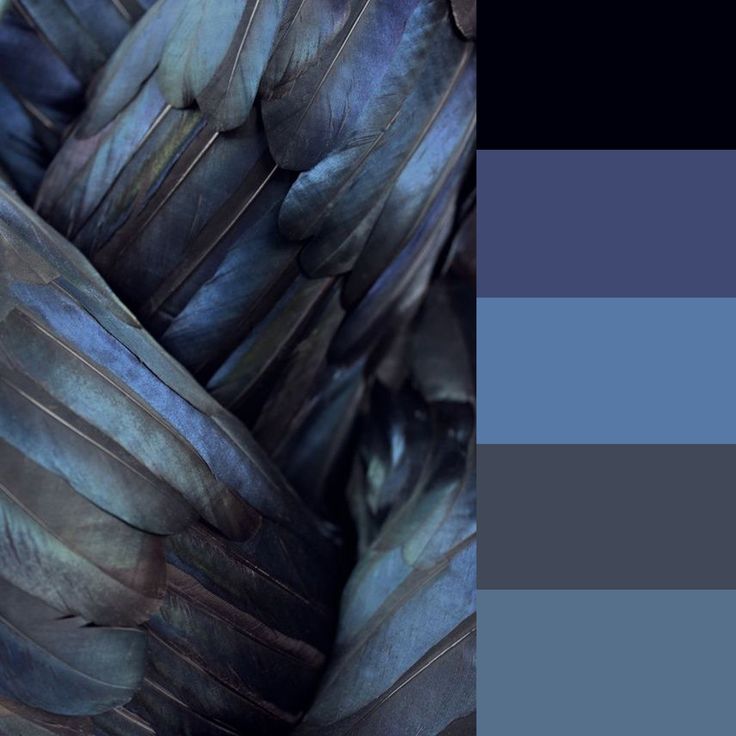

- Yellow Skin: Some ravens, particularly chicks and juveniles, have a pale yellow skin color. This is due to the presence of a pigment called carotenoids, which is also responsible for the yellow color in many fruits and vegetables.
- Blue Skin: Yes, you read that right. Some ravens have a blue tinge to their skin. This is not due to any pigment but is a result of a phenomenon called structural coloration. The blue color is created by the way light is reflected off the microscopic structures in the skin.
- Purple Skin: Ravens with purple skin are quite rare, but they do exist. This color is likely due to a combination of pigments, including melanin (which gives the black feathers their color) and carotenoids.
Why the Variation in Skin Color?
The variation in raven skin color is not just a matter of aesthetics. It serves several purposes in the bird's life:
- Camouflage: Ravens with paler skin colors may have an advantage in certain environments, as their skin can blend in with their surroundings, helping them avoid predators or sneak up on prey.
- Communication: Ravens use a variety of calls and body language to communicate with each other. Skin color may play a role in this, with different colors signaling different messages.
- Thermoregulation: Dark colors absorb heat, while light colors reflect it. This could help ravens regulate their body temperature, especially in harsh environments.
Skin Color and Health: A Correlation?
In some bird species, skin color has been linked to health and nutritional status. For instance, a study on starlings found that birds with more yellow skin had higher levels of antioxidants in their bodies, suggesting they were in good health. Whether this correlation holds true for ravens is a topic for further research.


Raven Skin Color in Culture and Folklore
Ravens' skin color has also captured the human imagination. In many cultures, ravens are seen as symbols of wisdom, mystery, and even death. Their skin color has been incorporated into various myths and legends. For example, in Norse mythology, the raven's blue skin is said to be a result of its travels through the nine realms.
From a scientific perspective, raven skin color is a fascinating topic that offers insights into evolution, communication, and health. From a cultural perspective, it's a rich tapestry of myths and legends. Whether you're a scientist or a storyteller, the raven's skin color is a captivating subject that's worth exploring.


Related Articles
"Unveil Raven Skin Tones: Your Ultimate Color Guide"
Unveiling the Enigma of Raven Skin Color: A Deep Dive into Melanin and Adaptation The raven, a bird renowned for its intelligence and mystique, is also...

"Unveil Raven's Enigma: The Ultimate Hex Code for the Darkest Black"
In the digital world of design and development, colors are often represented by hexadecimal codes, providing a precise and universal way to communicate color...

"Discover Raven Noir: The Ultimate Dark Hair Color Trend"
Embarking on a journey into the world of color, we arrive at a captivating shade that has been intriguing artists, designers, and fashion enthusiasts alike...

"Vibrant Summer Colors: Nail Inspiration for Dark Skin Tones"
As the temperatures rise and the sun begins to shine, it's time to update your nail care routine with summer-ready colors that complement your dark skin tone...

"Unveil Dora Shirt Color Code: Your Ultimate Guide"
Understanding Dora Shirt Color Codes: A Comprehensive Guide In the vast world of fashion, color codes serve as a universal language, enabling seamless...

"Unveil Your True Colors: The Ultimate Among Us Color Test"
Unveiling the Intrigue: The Among Us Color Test The Among Us phenomenon has taken the gaming world by storm, with its deceptively simple premise of social...