"Discover Raven's Colorful Variations: A Comprehensive Guide"
Exploring the Spectrum of Raven Color Variations
The raven, a bird known for its intelligence and mystique, also captivates with its diverse plumage. While commonly associated with black feathers, ravens exhibit a fascinating array of color variations. Let's delve into the world of raven colors, exploring their causes and the birds that sport these unique hues.
Understanding Raven Plumage: The Basics
Ravens belong to the Corvidae family, which includes crows, jays, and magpies. Their plumage is primarily composed of melanin, the pigment responsible for black color. However, the distribution and structure of these melanin deposits can vary, leading to the diverse colorations we observe.
Black Ravens: The Norm
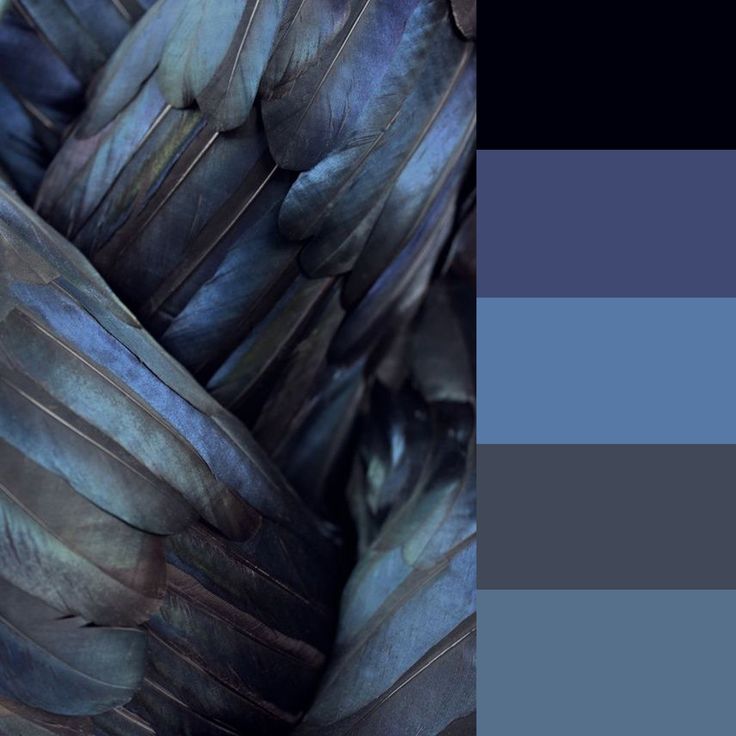
The common raven (Corvus corax) is the most widespread species, found across the Northern Hemisphere. Its plumage is a deep, glossy black, with a purple or blue sheen in certain lights. This coloration provides excellent camouflage, helping ravens blend into their surroundings.


White Ravens: A Rare Sight
One of the most striking raven color variations is the white raven. This phenomenon occurs due to a genetic mutation that affects the production of melanin. White ravens are not albinos; they have normal eyes and beaks, unlike albinos, which have pink eyes and beaks. Instead, they lack the pigment that gives ravens their typical black plumage.
Gray Ravens: A Matter of Age
As ravens age, their plumage can lighten to a steely gray. This change is due to wear and tear on the feathers, which lose their glossy black sheen over time. The feathers also become more brittle and may develop a white tip, further contributing to the gray appearance.


Raven Color Variations in Other Species
Other raven species also exhibit color variations. The Chihuahuan raven (Corvus cryptoleucus), for instance, has a white patch on its wings and tail, giving it a distinctive appearance. The carrion crow (Corvus corone) found in Europe can have a white patch on its head, a condition known as "leucism."
Raven Color Variations in Culture and Folklore
Ravens' color variations have captivated humans throughout history, featuring prominently in many cultures' folklore and mythology. In Norse mythology, ravens symbolize wisdom and knowledge. In Native American cultures, ravens often represent trickster figures, their color variations sometimes signifying different spirits or powers.
Conservation and Color Variations
Raven color variations can also provide insights into a species' health and conservation status. For example, white ravens are more susceptible to predation due to their lack of camouflage. Understanding these vulnerabilities can inform conservation efforts, ensuring the preservation of these remarkable birds and their diverse plumage.


Related Articles
"Discover Raven's Vibrant Color Variations: A Feast for the Eyes"
Raven Color Variations: A Fascinating Exploration The raven, a bird renowned for its intelligence and adaptability, also captivates with its diverse plumage...

"Unveiling Godzilla's Colorful Variations: A Comprehensive Guide"
Exploring the Spectrum: A Comprehensive Guide to Different Color Godzillas Godzilla, the iconic kaiju, has been a staple of Japanese pop culture since his...

"Discover Stunning Rose Color Variations: A Comprehensive Guide"
Exploring the Vibrant Spectrum of Rose Color Variations The rose, a symbol of love and affection, is renowned for its exquisite beauty and the vast array of...

"Discover Stunning Pokémon Color Variations: A Comprehensive Guide"
Pokémon Color Variations: A Vibrant Spectrum of Creatures The world of Pokémon is a vibrant and diverse one, filled with creatures that come in a wide array of...

"Discover Flabebe's Color Variations in Pokémon GO: A Comprehensive Guide"
Exploring the Colorful World of Flabebe in Pokémon GO Flabebe, the Flower Pokémon, is a delightful addition to the Pokémon GO universe, known for its vibrant...

"Discover Every Husky Color: A Comprehensive Guide"
Exploring the Vibrant World of Husky Coat Colors The Siberian Husky, a striking breed known for its endurance and striking blue eyes, is also celebrated for...