"Unveiling Raven Colors: A Bird's Palette in Black and More"
Raven Colors: A Deep Dive into the Feathered Spectrum
Ravens, those intelligent and enigmatic birds, are known for their glossy black plumage. However, a closer look reveals a fascinating world of colors that goes beyond the initial impression. Let's delve into the vibrant spectrum of raven colors, exploring their significance, variations, and the science behind them.
Understanding Raven Plumage: More Than Just Black
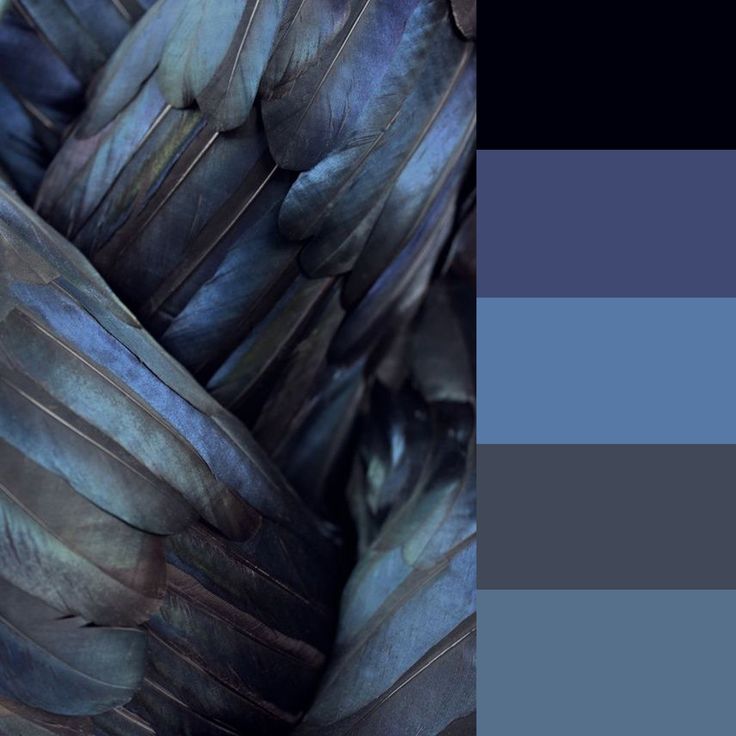
At first glance, ravens appear uniformly black. This is due to the structure of their feathers, which scatter light in a way that makes them appear black or dark gray. However, under certain lighting conditions, especially in direct sunlight, ravens can display a stunning array of iridescent colors. These include purples, blues, greens, and even reds, adding a dynamic and captivating aspect to their plumage.
Iridescence: The Science Behind Raven Colors
Iridescence in ravens is a result of the microscopic structure of their feathers. Each feather is composed of thousands of tiny, overlapping barbules, which are further divided into even smaller barbicels. These structures are arranged in a way that causes light to interfere with itself, creating the shimmering colors we see. This phenomenon is similar to the iridescence seen in other birds, insects, and even some minerals.


Variations in Iridescence
While all ravens exhibit some degree of iridescence, the intensity and specific colors can vary. For instance, the common raven (Corvus corax) often displays a deep, purple-blue sheen, while the Chihuahuan raven (Corvus cryptoleucus) can appear more greenish. These variations are influenced by factors such as age, health, and geographic location.
Raven Colors in Different Lighting Conditions
Raven colors can change dramatically depending on the lighting. In overcast conditions, they may appear dull and gray, while in direct sunlight, their iridescence can be breathtaking. This is because the angle at which light hits the feathers affects how it is reflected and scattered. Additionally, ravens can adjust the orientation of their feathers, further altering the appearance of their colors.


Raven Colors in Culture and Symbolism
Throughout history, ravens have been associated with a wide range of colors and their corresponding symbolism. In Norse mythology, ravens are often depicted as black, symbolizing wisdom and memory. In Native American cultures, the raven is sometimes associated with white, representing transformation and adaptability. These cultural interpretations reflect the diverse and complex nature of raven colors and their meanings.
Conservation and Raven Colors
Understanding the nuances of raven colors can also aid in their conservation. For instance, researchers can use the variation in iridescence to identify individual birds, track their movements, and study their behavior. This information is crucial for understanding the impacts of habitat loss, climate change, and other threats on raven populations.
Exploring Raven Colors: A Work in Progress
The study of raven colors is an ongoing field of research. While we know much about the physical basis of their iridescence, we are still uncovering the full extent of their color variations and the significance of these colors in their lives. As our understanding of these intelligent birds continues to grow, so too will our appreciation for the vibrant spectrum of raven colors.




Related Articles

"Discover Bird's Eye View: Unveiling the Kaleidoscope of Colors"
Exploring the Spectrum: A Deep Dive into Bird Eye Colors Birds, with their myriad species and vibrant plumage, have long captivated our attention. One of the...

"Unveiling K-Suke's Snowy Palette: Discover Vibrant Colors in Winter Wonderland"
Unveiling the Enigma: The Phenomenon of Snow Color K-Suke The world of snow sports and culture is vast and vibrant, filled with unique traditions and...

"Unveiling the Joker's DC Color Palette: A Comprehensive Guide"
The Joker, Batman's iconic nemesis, is instantly recognizable not just by his cunning grin, but also by his distinctive color palette. This article delves into...

"Unveiling the Vibrant Colors of Frogs: A Nature's Palette"
The vibrant world of amphibians is a treasure trove of color, and frogs, in particular, exhibit an astonishing array of hues. This article delves into the...

"Unveiling Love's Palette: The Meaning Behind Flower Colors"
The language of flowers, or floriography, has been used for centuries to convey emotions and messages. One of the most powerful ways flowers communicate is...

"Vibrant Apple Valley Colors: Unveiling Nature's Palette"
Nestled in the heart of California's High Desert, Apple Valley is a vibrant city that's not just known for its rich history and warm climate, but also for its...