"Vibrant Raven Feather Coloring: Free Printable Designs for Adults & Kids"
Unveiling the Vibrant Spectrum of Raven Feather Coloring
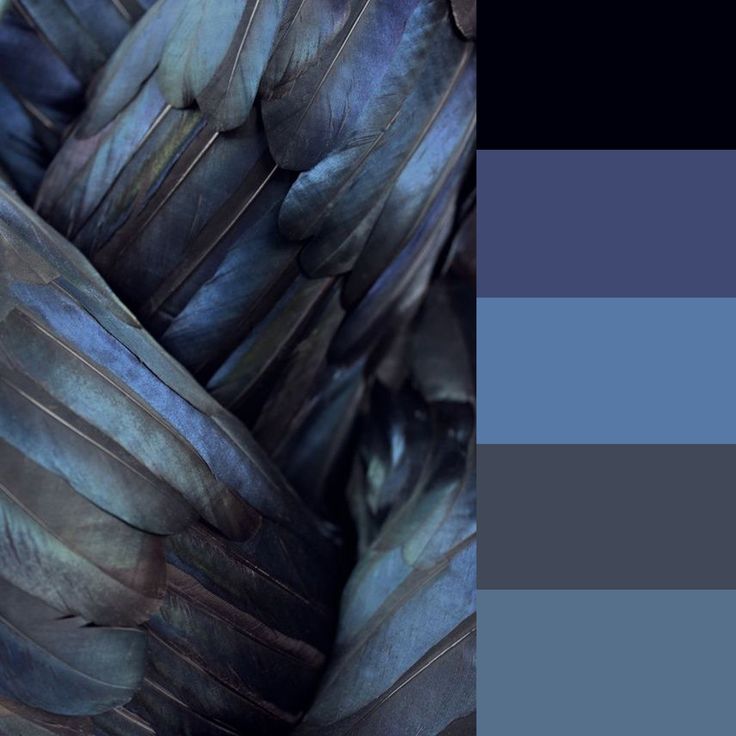
Ravens, with their striking intelligence and elusive nature, have long captivated humans. Their feathers, a mesmerizing display of iridescence and depth, are no exception. Diving into the world of raven feather coloring, we explore the science behind their hues, the role of melanin, and the fascinating phenomenon of structural coloration.
Melanin: The Backbone of Raven Feather Coloring
At the core of raven feather coloring lies melanin, the same pigment responsible for the color of human hair and skin. In ravens, melanin comes in two primary forms: eumelanin, which is brown or black, and pheomelanin, which is red or yellow. The ratio and distribution of these melanins determine the final color of a raven's feathers.
Eumelanin: The Dominant Force
Eumelanin is the dominant pigment in raven feathers, giving them their signature black color. This melanin is produced by specialized cells called melanocytes, which deposit melanin granules into the feather's barbs as they grow. The more eumelanin present, the darker the feather appears.


The Role of Structural Coloration
While melanin is the primary determinant of raven feather coloring, it's not the whole story. Ravens also exhibit structural coloration, a phenomenon that occurs when the physical structure of a feather's surface scatters light to create color. This is similar to the iridescence seen in peacock feathers and butterfly wings.
Feather Microstructure
Raven feathers have a complex microstructure, with intricate patterns of ridges and grooves that refract light. These patterns are created as the feather grows, with the melanocytes depositing melanin in specific patterns that dictate the feather's final structure. The interaction of light with this microstructure is what gives raven feathers their distinctive sheen and the appearance of changing color in different lighting conditions.


Raven Feather Coloring in Different Species
While all ravens share a similar black plumage, there are variations in feather coloring among different species. For instance, the common raven (Corvus corax) has a uniform black appearance, while the Chihuahuan raven (Corvus cryptoleucus) has a white patch on its wings. The tricolor raven (Chorvinus tricolor) of New Guinea, as its name suggests, has a striking combination of black, white, and chestnut-brown feathers.
Evolution of Raven Feather Coloring
The evolution of raven feather coloring is a complex interplay of natural selection and sexual selection. The black plumage of ravens is thought to provide camouflage, helping them blend into their surroundings and avoid predators. However, the role of sexual selection cannot be overlooked. In some species, the vibrant colors of a male's feathers play a crucial role in attracting mates.
Cultural Significance of Raven Feather Coloring
Raven feathers have held significant cultural and symbolic meaning for many indigenous peoples. In Native American cultures, raven feathers are often used in ceremonies and rituals, representing wisdom, creation, and the connection between the physical and spiritual worlds. The unique coloring of raven feathers, with their iridescent sheen and ability to change color in different light, has likely contributed to their symbolic power.


In conclusion, the coloring of raven feathers is a fascinating blend of science and symbolism. From the melanin that gives their feathers their dark hue to the structural coloration that creates their mesmerizing sheen, raven feathers are a testament to the beauty and complexity of nature. Whether you're a scientist studying their feathers under a microscope or an artist inspired by their iridescent beauty, there's no denying the allure of raven feather coloring.



Related Articles
"Vibrant Raven Feather Coloring: Free Printable Designs for Adults & Kids"
The iridescent plumage of ravens, with its deep, glossy black color, is a sight to behold. But have you ever wondered about the science behind raven feather...

"Vibrant Rabbit Coloring Pages: Free Printable Pictures for Kids & Adults"
Unleash Your Creativity: Rabbit Pictures to Colour Embark on a delightful artistic journey with our collection of rabbit pictures to colour. Whether you're an...

"Vibrant Owl Coloring Page: Printable & Free for Kids & Adults"
Unleash Your Creativity: Coloring a Picture of an Owl Embarking on a coloring journey with an owl picture is an enchanting experience that combines art...

"Vibrant Red Cardinal Coloring Page: Free Printable for Kids & Adults"
Immerse yourself in the vibrant world of nature with our captivating Red Cardinal Coloring Page. This isn't just a simple printout; it's an invitation to...

"Vibrant Turtle Coloring Pages: Free Printable Sheets for Kids & Adults"
Discover the World of Turtle Coloring: A Fun and Educational Activity Embark on an exciting journey of creativity and learning with turtle coloring in sheets...

"Unicorn Coloring Pages: Free Printable Unicorn Designs for Kids & Adults"
In the enchanting world of children's creativity and imagination, one magical creature stands out: the unicorn. These mythical horses with a single, spiraling...