"Tri-Color Dogs: Meet the Rainbow of Canines"
Have you ever admired a dog with a striking tricolor coat, wondering about its origins and uniqueness? You're likely looking at a Tri-Color Dog, a captivating canine with a distinctive color pattern. Let's delve into the fascinating world of these dogs, their history, breeds, and the science behind their captivating coats.
What is a Tri-Color Dog?
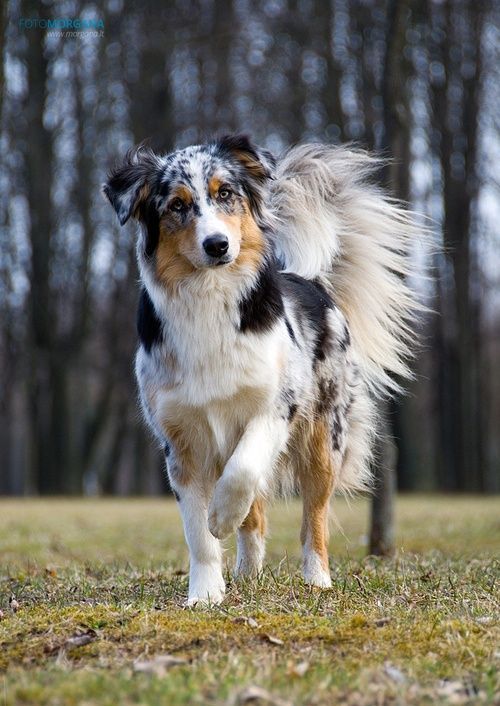
A Tri-Color Dog is a term used to describe dogs with a coat that consists of three distinct colors. The most common tri-color pattern is black, white, and tan, but other combinations can occur, such as red, white, and black, or blue, white, and tan. This color pattern is often associated with specific breeds, but it can also appear in mixed breeds and other purebred dogs.
Breeds Known for the Tri-Color Coat
Several breeds are recognized for their tri-color coats. The most famous is the Australian Cattle Dog, also known as the Blue Heeler or Red Heeler, depending on their coat color. Other breeds that commonly exhibit this pattern include the Australian Shepherd, the Border Collie, and the Cattle Dog. However, it's essential to note that not all dogs of these breeds will have a tri-color coat.


Australian Cattle Dog
The Australian Cattle Dog is a medium-sized breed developed in Australia for herding cattle. They are known for their intelligence, endurance, and protective nature. Their tri-color coat can be blue or red, with tan or black markings, and a white patch on the chest and sometimes on the legs and face.
Australian Shepherd
The Australian Shepherd is a medium to large-sized breed known for its high intelligence, trainability, and herding instincts. Their tri-color coat is typically black, red, or blue, with tan or white markings. They are often seen in agility, obedience, and herding trials, showcasing their exceptional skills and athleticism.


The Science Behind the Tri-Color Coat
The tri-color coat in dogs is the result of a combination of genetic factors. The primary colors, black and red, are determined by a gene called the Agouti gene. The white markings are due to a gene called the KIT gene, which is responsible for the migration of melanocytes, the cells that produce pigment in the hair follicle. The tan points, or markings, are influenced by a gene called the TYRP1 gene, which affects the distribution of pigment in the hair.
In many breeds, the tri-color coat is a result of the interaction between these genes. For instance, in the Australian Cattle Dog, the blue or red color is due to a dilution gene that acts on the black or red base color, while the white and tan markings are influenced by the KIT and TYRP1 genes.
Caring for a Tri-Color Dog
Caring for a Tri-Color Dog involves the same principles as caring for any dog, with a few breed-specific considerations. Regular exercise, a balanced diet, and mental stimulation are crucial for their overall health and well-being. Grooming is also essential, as the tri-color coat can be prone to matting, especially in breeds with long coats like the Australian Shepherd.


Health-wise, Tri-Color Dogs can be prone to certain genetic conditions, such as hip dysplasia, progressive retinal atrophy, and deafness. Regular vet check-ups and responsible breeding practices can help mitigate these risks.
In the Show Ring and Beyond
In the show ring, the tri-color coat is often highly regarded in breeds where it is typical. However, it's important to note that the coat color is just one aspect of a dog's conformation and should not be the sole focus. In the world beyond the show ring, Tri-Color Dogs are beloved companions, working partners, and athletes, cherished for their unique appearance and exceptional abilities.
Whether you're a breeder, a dog lover, or a potential owner, understanding the Tri-Color Dog can deepen your appreciation for these captivating canines. Their striking coats are more than just a matter of aesthetics; they are a testament to the complex interplay of genetics and the rich history of the breeds they represent.


Related Articles
"Unleash Vibrant Joy: Discover the Enchanting Tri-Color Dog Breeds"
Unveiling the Enchanting World of Tri-Color Dogs Tri-color dogs, with their vibrant coats, are a delight to behold. These canines, known for their striking...

"Vibrant Canines: Discover Dogs with Color"
Unveiling the Enigma: Dogs with Colored Coats In the world of canine genetics, one of the most fascinating phenomena is the occurrence of dogs with colored...

"Unveiling Your Dog's Coat: A Comprehensive Guide to Color Genetics in Canines"
Unraveling the Rainbow: A Deep Dive into Dog Genetics and Coat Colors Unraveling the Rainbow: A Deep Dive into Dog Genetics and Coat Colors Dogs come in a...

"Why Are Some Dogs' Eyes Red? Unveiling the Mystery of Eye Color in Canines"
Understanding the Reddish Hue in Dogs' Eyes: A Comprehensive Guide Have you ever noticed a reddish tint in your dog's eyes and wondered what causes it? This...

"Unveiling Colorful Canines: How Dogs See the World"
Understanding Color Perception in Dogs: A Canine's World of Vision Ever wondered how your furry friend perceives the world around them? While dogs are known...
"Unleashing Vibrant Canines: Exploring the Diverse Color Range of Dogs"
Exploring the Vibrant Spectrum of Canine Coat Colors The world of dog colors is as diverse and fascinating as the breeds themselves. From the snow-white...