"Revitalize Your Dog's Gaze: Expert Guide to Staining a Dog's Eye"
Understanding and Addressing Eye Staining in Dogs
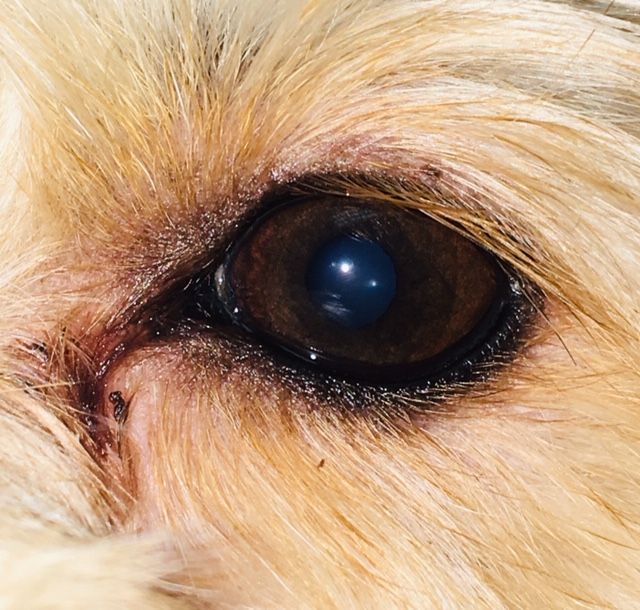
As a pet owner, you may have noticed your dog's eye appearing red or discolored at some point. This condition, often referred to as "staining," can be alarming, but it's essential to understand that it's not always a cause for concern. In this comprehensive guide, we'll delve into the causes, types, and treatments of eye staining in dogs, helping you provide the best care for your furry companion.
Causes of Eye Staining in Dogs
Eye staining in dogs can be caused by a variety of factors, ranging from minor to serious health issues. Understanding these causes can help you determine when to seek veterinary attention.
- Allergies: Environmental allergens, such as pollen or dust, can cause eye irritation and staining in dogs.
- Conjunctivitis: Also known as "pink eye," conjunctivitis occurs when the membrane covering the white of the eye and lining the eyelids becomes inflamed, causing redness and staining.
- Eye injuries: Foreign bodies, scratches, or blunt force trauma can lead to eye staining and other symptoms.
- Dry eye (Keratoconjunctivitis Sicca): A condition where the eye does not produce enough tears, leading to irritation, staining, and other complications.
- Glaucoma: While more commonly associated with increased eye pressure, glaucoma can also cause eye staining and other symptoms.
Types of Eye Staining in Dogs
Eye staining in dogs can present in various forms, each with its unique characteristics and underlying causes.


Red Eye Staining
Red eye staining is the most common type, often caused by allergies, conjunctivitis, or minor injuries. It may be accompanied by squinting, pawing at the eye, or increased tear production.
Green or Brown Eye Staining
Green or brown staining around the eye is typically a result of tear production and may indicate a more serious underlying condition, such as dry eye or glaucoma. This type of staining may be accompanied by other symptoms, such as a cloudy or milky appearance to the eye, excessive blinking, or sensitivity to light.


Diagnosing Eye Staining in Dogs
If you notice eye staining in your dog, it's crucial to consult your veterinarian for a proper diagnosis. They will perform a thorough eye examination, which may include:
- Checking for signs of inflammation, infection, or injury
- Evaluating tear production and quality
- Measuring intraocular pressure (in cases of suspected glaucoma)
- Performing a Schirmer Tear Test to assess tear production
Treatment Options for Eye Staining in Dogs
The appropriate treatment for eye staining in dogs will depend on the underlying cause. Some common treatment options include:
| Condition | Treatment Options |
|---|---|
| Allergies | Antihistamines, eye drops, or immunotherapy |
| Conjunctivitis | Antibiotic eye drops or ointments, anti-inflammatory medications |
| Eye injuries | Flushing, removal of foreign bodies, antibiotics, or surgical repair |
| Dry eye | Artificial tears, lubricating eye drops, or immunosuppressive medications |
| Glaucoma | Eye drops to lower intraocular pressure, oral medications, or surgery |
Preventing Eye Staining in Dogs
While not all causes of eye staining can be prevented, there are steps you can take to minimize the risk of your dog developing this condition:




- Keep your dog's living area clean and free of allergens
- Regularly clean your dog's eyes using warm water and a soft cloth
- Trim long-haired breeds' fur around the eyes to prevent matting and irritation
- Provide your dog with a balanced diet to support overall health and immune function
In conclusion, eye staining in dogs is a common issue that can range from minor to serious health concerns. By understanding the causes, types, and treatment options, you can work with your veterinarian to ensure your dog receives the best possible care. Regular check-ups and prompt attention to any changes in your dog's eyes can help maintain your pet's vision and overall well-being.


Related Articles
"Revive Your Dog's Glow: Expert Tips on Removing Stains Under Their Eyes"
Understanding Staining Under Dogs' Eyes: Causes, Prevention, and Care As a dog owner, you might have noticed unsightly staining under your dog's eyes. This...

"The Ultimate Guide: Understanding Your Dog's Poop Color"
Understanding Your Dog's Stool: The Color of Dogs' Poop As a responsible pet owner, you're likely familiar with the routine of cleaning up after your dog. But...

"Unleash Your Dog's Social Life: A Guide to Facebook Pages for Dogs"
In the digital age, social media platforms have become a hub for pet owners to connect, share information, and build communities. Facebook, with its vast user...

"Revitalize Your Blooms: Expert Guide to Drying Flowers for Vibrant Colors"
Preserving the vibrant colors of flowers is a rewarding way to enjoy nature's beauty long after they've bloomed. Drying flowers to keep their color is a simple...

"Revitalize Your Leather: Expert Guide to Seal Leather Dye"
Discover the art of color and craftsmanship in the world of leatherworking with our comprehensive guide on seal leather dye . Whether you're a seasoned artisan...

"Unveiling Your Dog's Coat: A Comprehensive Guide to Color Genetics in Canines"
Unraveling the Rainbow: A Deep Dive into Dog Genetics and Coat Colors Unraveling the Rainbow: A Deep Dive into Dog Genetics and Coat Colors Dogs come in a...