"Revive Your Dog's Glow: Expert Tips on Removing Stains Under Their Eyes"
Understanding Staining Under Dogs' Eyes: Causes, Prevention, and Care
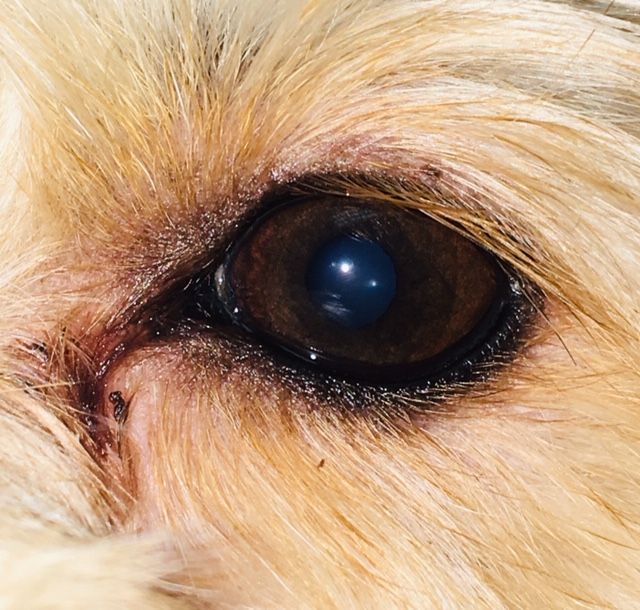
As a dog owner, you might have noticed unsightly staining under your dog's eyes. This condition, often referred to as "teary eyes" or "weepy eyes," can be quite common in dogs. While it might seem like a minor issue, understanding the causes and how to address it can help ensure your dog's eye health and overall well-being.
Causes of Eye Staining in Dogs
Eye staining in dogs can be caused by a variety of factors, ranging from minor to serious health issues. Here are some of the most common causes:
- Tear Stains: These are usually caused by excess tearing, which can be due to a blockage in the tear duct or a condition called "dry eye" (keratoconjunctivitis sicca).
- Allergies: Allergies can cause inflammation and increased tearing in dogs, leading to staining under the eyes.
- Infections: Bacterial or viral infections can cause inflammation and increased tearing, resulting in staining.
- Eyelid Abnormalities: Conditions like entropion (inward rolling of the eyelid) or ectropion (outward rolling of the eyelid) can cause irritation and increased tearing.
Identifying the Cause: When to Visit the Vet
While some causes of eye staining in dogs might be minor and easily treatable, others could indicate a serious health issue. If you notice any of the following signs, it's crucial to consult with your veterinarian:


- Redness or inflammation in the eye or surrounding area
- Swelling or discharge from the eye
- Squinting or sensitivity to light
- Frequent pawing at the eye
- Difficulty opening the eye
Preventing and Managing Tear Stains in Dogs
If your dog's eye staining is due to tear stains, there are several steps you can take to prevent and manage them:
- Regular Cleaning: Gently clean the area under your dog's eyes daily using a soft, damp cloth or cotton pad. This can help remove tear stains and prevent them from becoming more prominent.
- Wipe After Eating or Drinking: Tear stains often become worse after your dog eats or drinks. Wiping their muzzle and the area under their eyes after meals can help minimize staining.
- Use Tear Stain Removers: There are several commercial tear stain removers available that can help lighten and remove stains. Always consult with your vet before using any product.
- Address Underlying Causes: If your dog's tear stains are due to an underlying condition like allergies or a blocked tear duct, addressing these issues can help prevent staining.
Home Remedies for Eye Staining in Dogs
While it's always best to consult with your vet before trying any home remedies, some dog owners have found success with the following natural methods for managing tear stains:


- Coconut Oil: Applying a small amount of coconut oil to the area under your dog's eyes can help moisturize and lighten stains.
- Apple Cider Vinegar: Diluting apple cider vinegar with water and applying it to the affected area can help balance the pH and lighten stains. Always dilute the vinegar and test it on a small area first to ensure it doesn't cause irritation.
- Chamomile Tea: Soaking cotton pads in cooled chamomile tea and applying them to the area under your dog's eyes can help lighten stains and soothe any irritation.
When to Consider Professional Help
While some causes of eye staining in dogs might be minor and easily treatable at home, others could indicate a serious health issue. If you notice any of the following signs, it's crucial to consult with your veterinarian:
- Redness or inflammation in the eye or surrounding area
- Swelling or discharge from the eye
- Squinting or sensitivity to light
- Frequent pawing at the eye
- Difficulty opening the eye
In some cases, your vet might recommend specific treatments or procedures to address the underlying cause of your dog's eye staining. These could include antibiotics for infections, surgery for eyelid abnormalities, or medication for dry eye. Regular check-ups and prompt treatment can help ensure your dog's eye health and prevent more serious issues from developing.




Related Articles
"Revitalize Your Dog's Gaze: Expert Guide to Staining a Dog's Eye"
Understanding and Addressing Eye Staining in Dogs As a pet owner, you may have noticed your dog's eye appearing red or discolored at some point. This...

"Revive Your Boat: Expert Boat Coloring In Tips & Techniques"
Embarking on a journey to transform your boat's appearance? Boat coloring, also known as boat painting, is an exciting process that not only enhances your...

"Revitalize Your Wood: Expert Tips for Sealing After Staining"
After investing time and effort into staining your wood project, the last thing you want is for that beautiful finish to fade or peel. This is where applying a...

"Revive Your Tin Man: Expert Painting Tips & Tricks"
Unveiling the Enigma of Tin Man Paint: A Comprehensive Guide The Tin Man, a beloved character from L. Frank Baum's "The Wonderful Wizard of Oz," has sparked...

"Revive Your Peace Lily: Expert Tips to Reverse Yellowing Leaves"
Reviving Your Peace Lily: Understanding and Addressing Yellow Tips If you're a plant parent, there's nothing quite as disheartening as seeing your beloved...

"Revive Your Bearded Dragon: Expert Tips to Restore Vibrant Colors"
If you're a bearded dragon owner, you might have noticed your scaly friend looking a bit lackluster at times. A healthy bearded dragon should have vibrant...